New septic systems installed and failed ones replaced, from the soil evaluation to the final inspection. An Alabama Level II licensed installer serving Northeast Alabama and Northwest Georgia, backed by a lifetime of septic work.
Tell us what your septic system needs and we will get right back to you.
Piedmont, AL · Calhoun County Jim Westbrook owns the company and has installed septic systems his whole working life. He holds an Alabama Level II onsite wastewater installer license. That is the advanced installer level, and it covers engineered and large commercial onsite systems. We run three crews and own our excavation equipment, so your install stays on our schedule.
Jim Westbrook has put in septic systems his whole working life. He has dug through the clay, chert, and shallow rock that sit under Northeast Alabama, and that reading of the ground shapes every system we build.
Jim holds an Alabama Level II installer license, the advanced level. That covers conventional gravity systems, engineered systems for lots that fail a perc test, and large commercial jobs like schools.
Septic permits run through the county health department in Alabama and the county environmental health office in Georgia. We file the right paperwork in the right office and never cover a system before the inspector signs off.
Three crews and our own excavation equipment mean your job gets scheduled and finished. Tank, field lines, pumps, and the drainage that protects them all come from the same company.
Installation is the heart of what we do, and we take care of everything around it: repair, drain fields, inspections, pumping, and the engineered systems harder lots need.
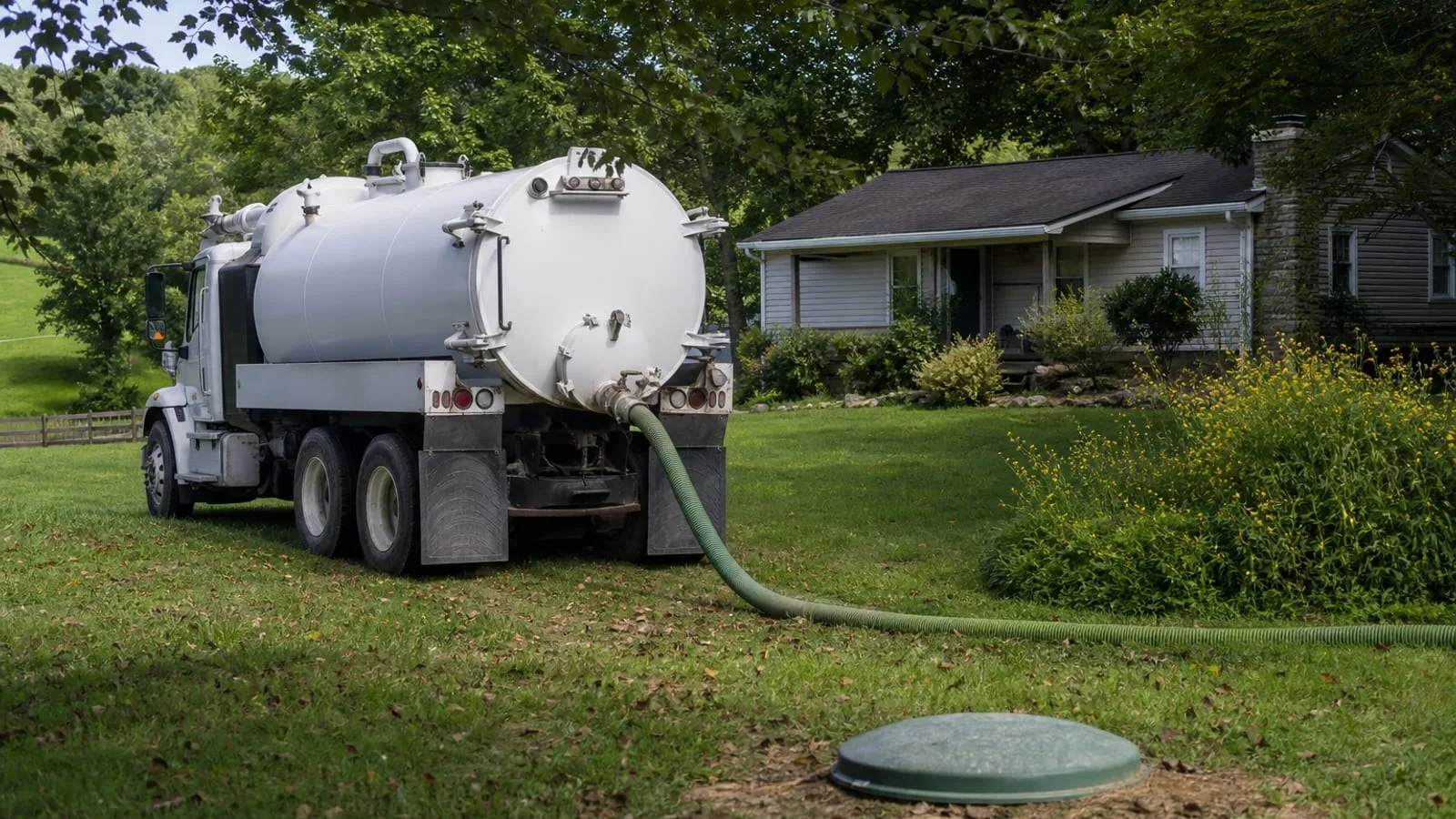
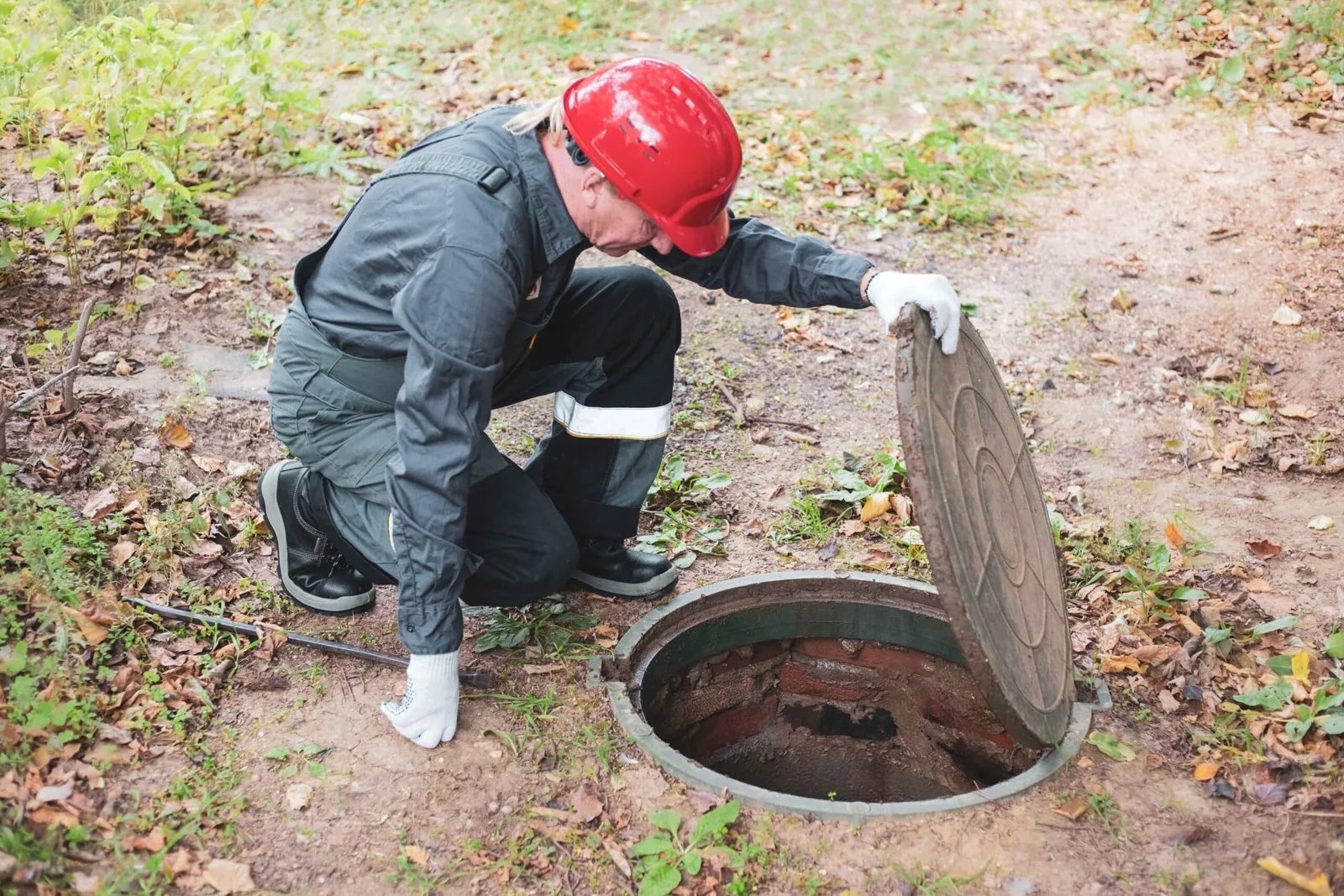
We pump and clean septic tanks on a routine schedule, through the main lid so the whole tank empties. Estimates are free, and we cover Northeast Alabama and Northwest Georgia.
View Details
We repair septic tanks, lids, risers, baffles, and the lines running in and out of the tank. Estimates are free across Northeast Alabama and Northwest Georgia.
View Details
Drain field repair puts the buried field lines back to work when your yard stays wet. We repair and replace field lines across Northeast Alabama and Northwest Georgia.
View Details
Regular septic tank maintenance keeps solids in the tank and out of your field lines. We pump on a schedule, clean the outlet filter, check the lids, and look over the drain field.
View Details
We inspect septic tanks and drain fields, then put what we find in writing. We also handle perc tests and soil tests for new lots across Northeast Alabama and Northwest Georgia.
View Details
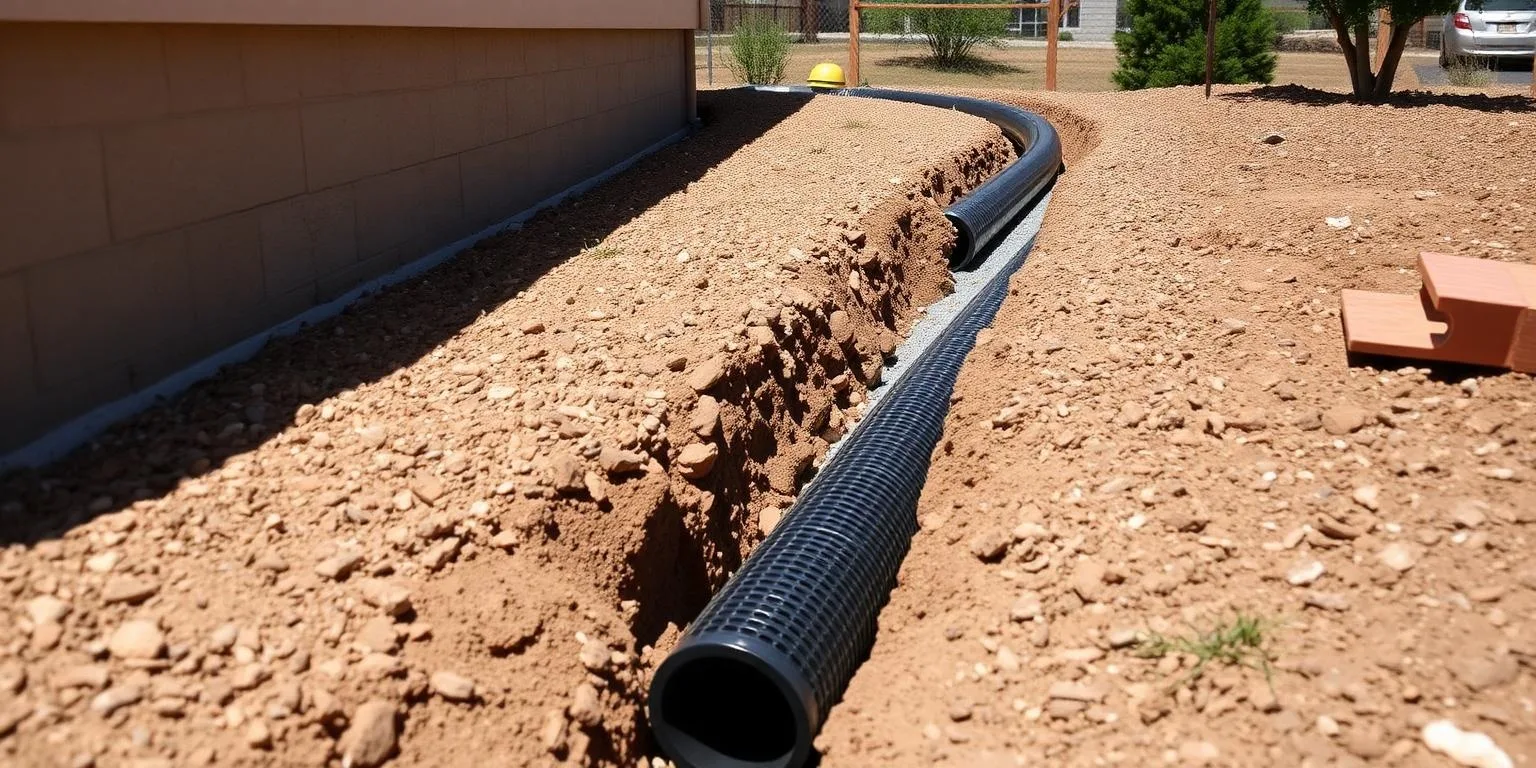
A curtain drain catches groundwater on the slope before it soaks into your drain field. We install them on wet lots across Northeast Alabama and Northwest Georgia.
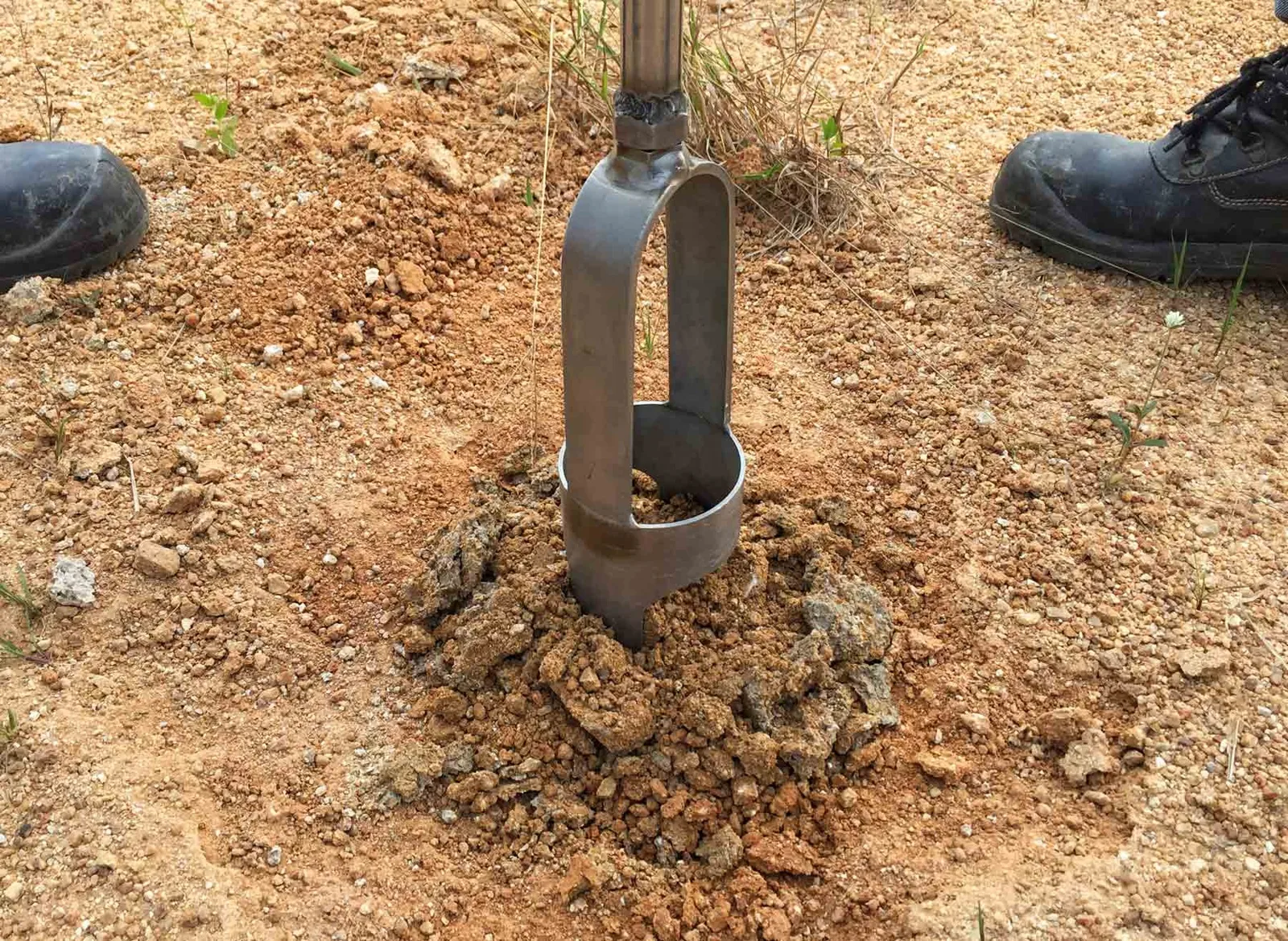
View DetailsEvery septic system installation starts with the dirt on your lot. The county health department needs a soil test before it issues a permit to install. A soil classifier, engineer, or surveyor runs that test, and we handle septic inspections and perc test coordination. The permit then sets the system type, the tank size, the field length, and where the lines can go.
The soil results decide what kind of system your lot can take. Ground that takes water well gets a conventional gravity system, and the tank feeds the field lines by slope. Ground that drains slowly needs a pump, a dosing setup, or another engineered design. We install both kinds, and the health department approves the plan before we dig.
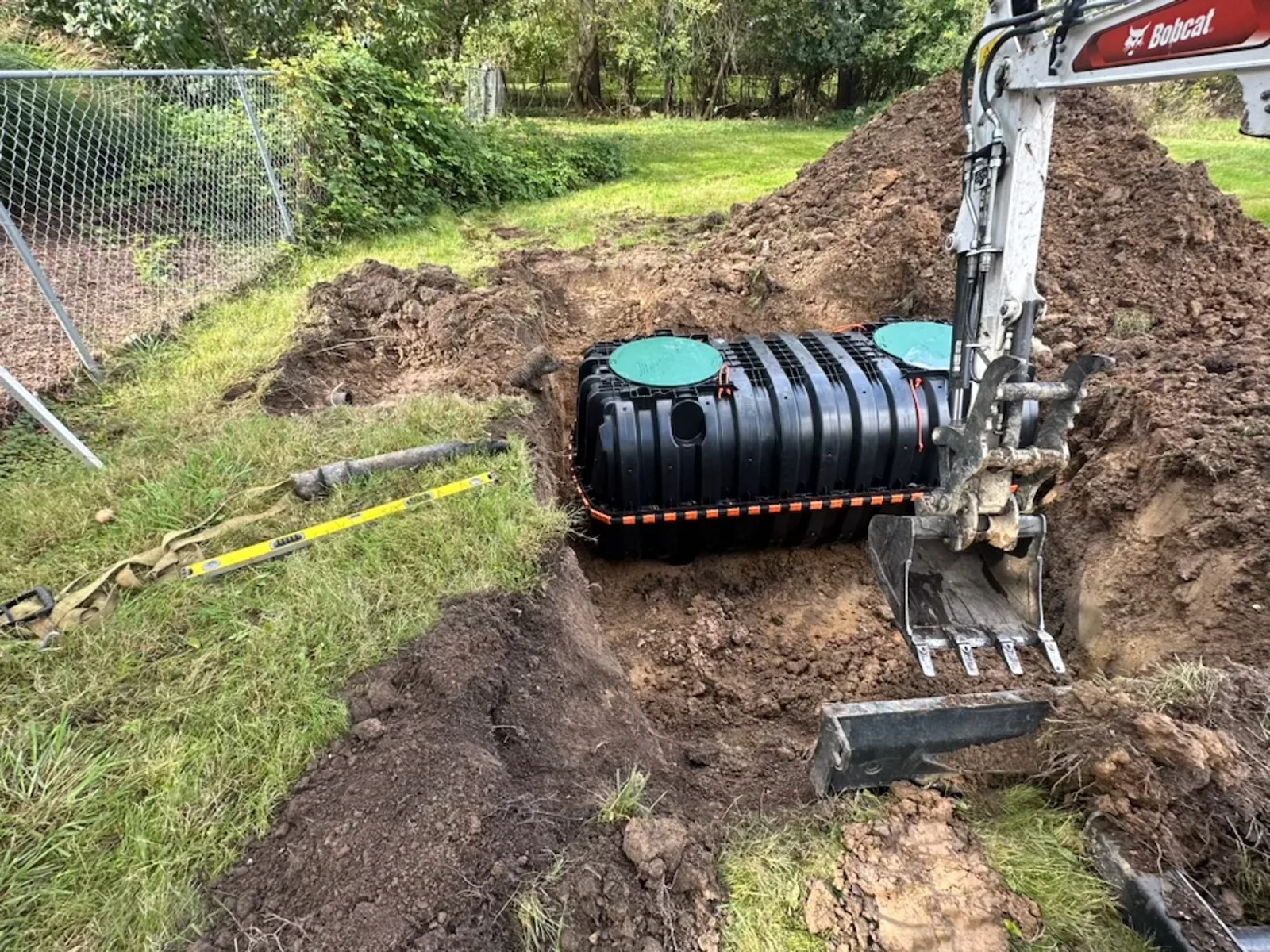
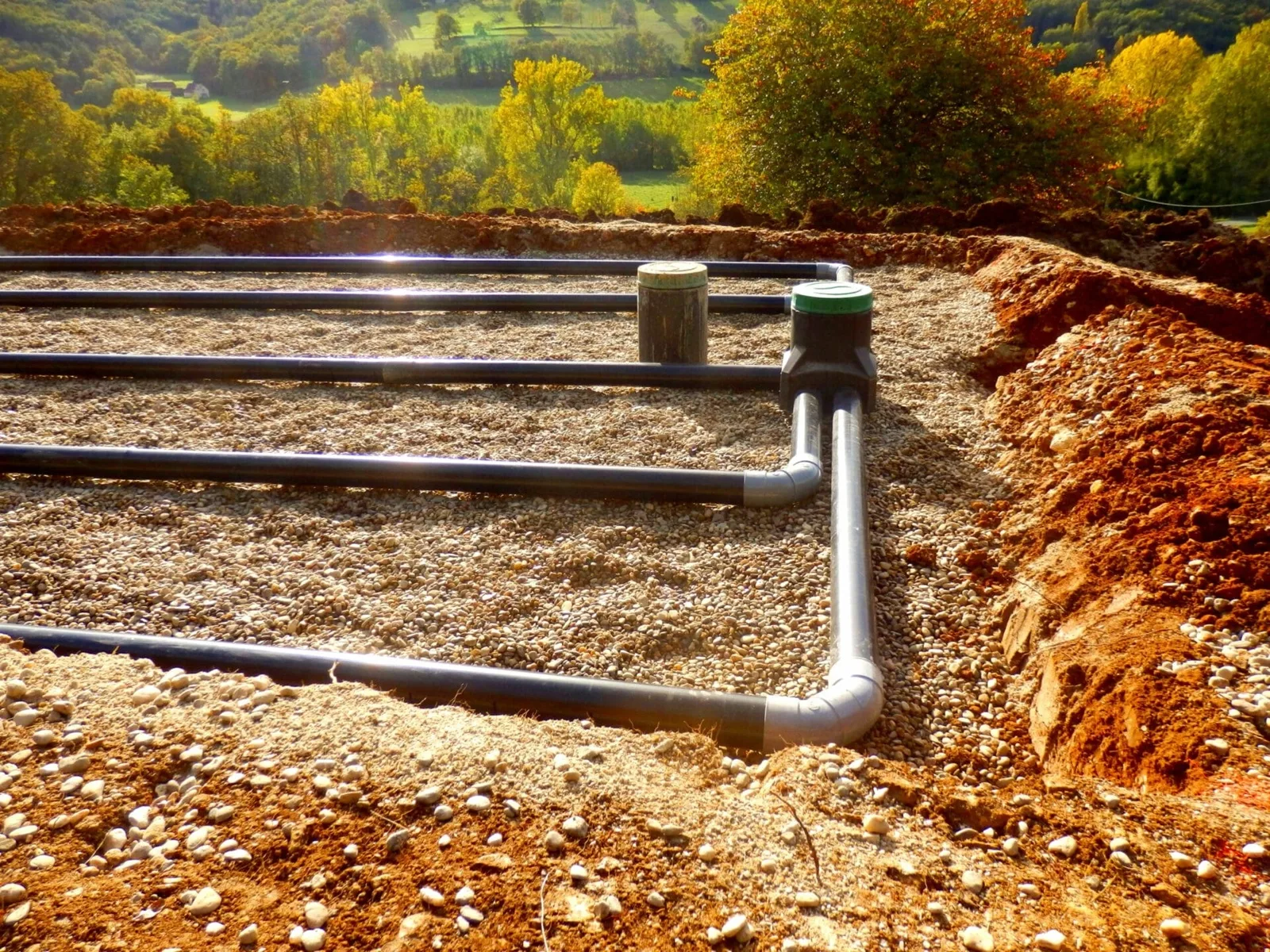
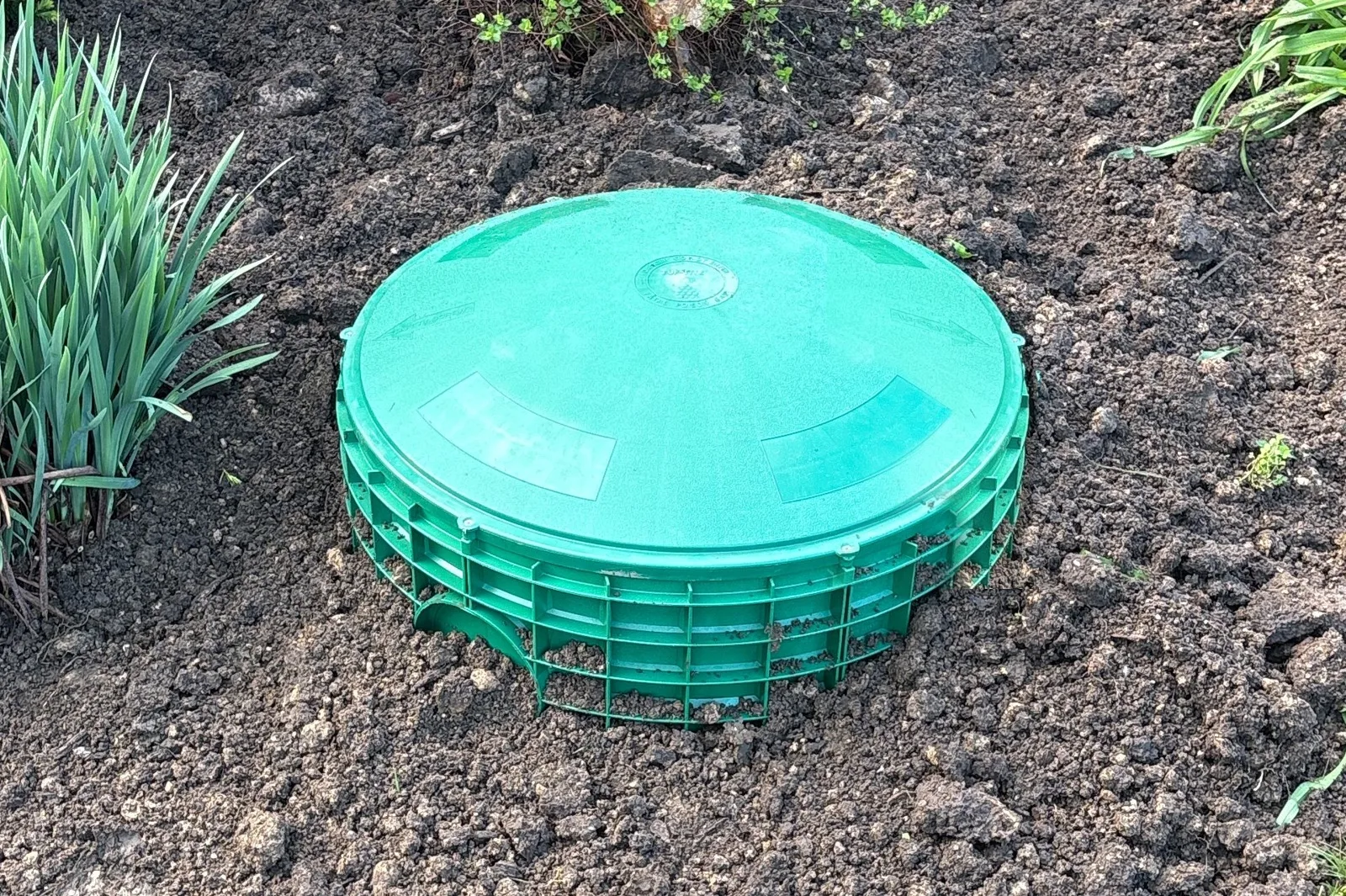
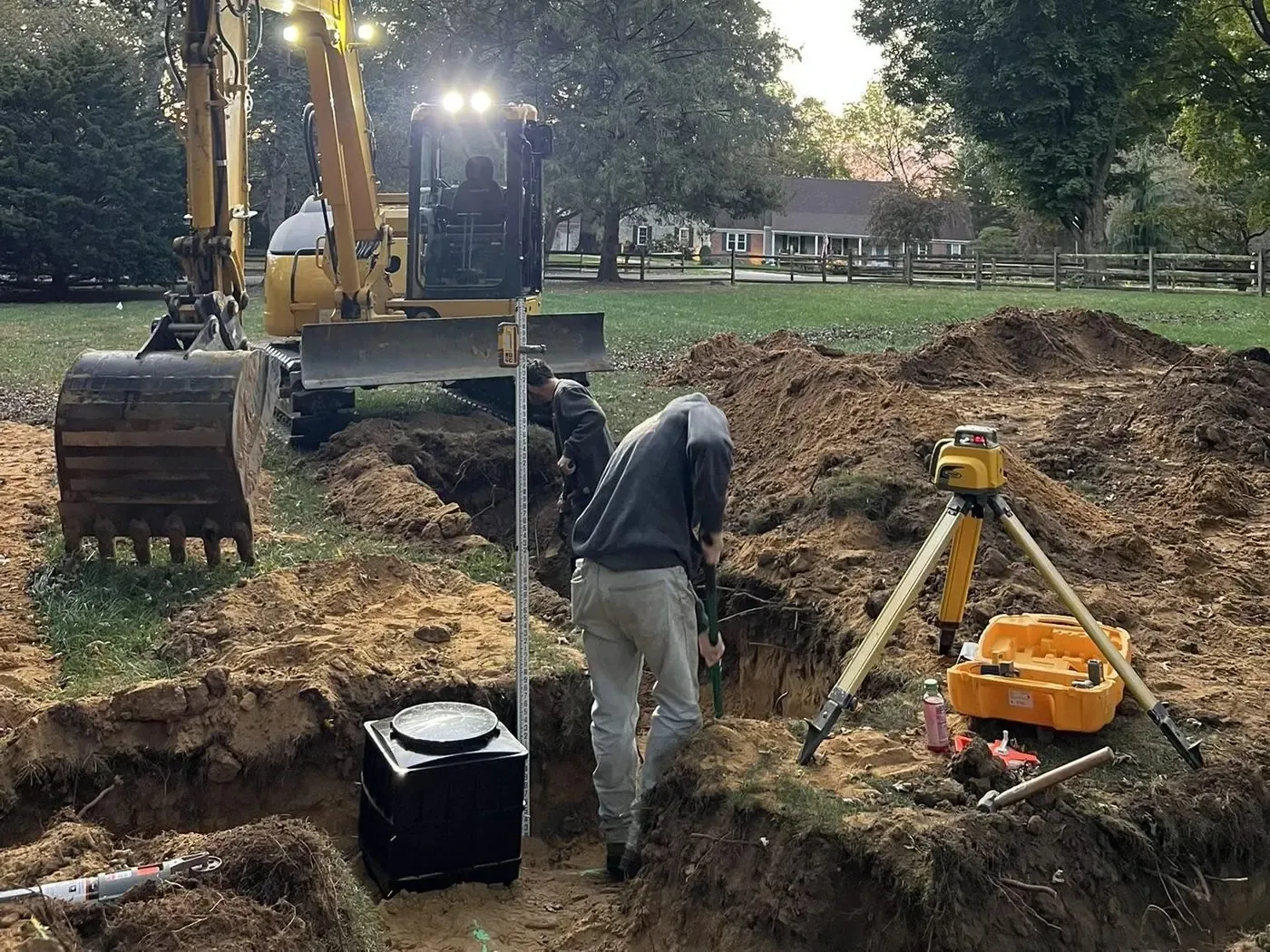
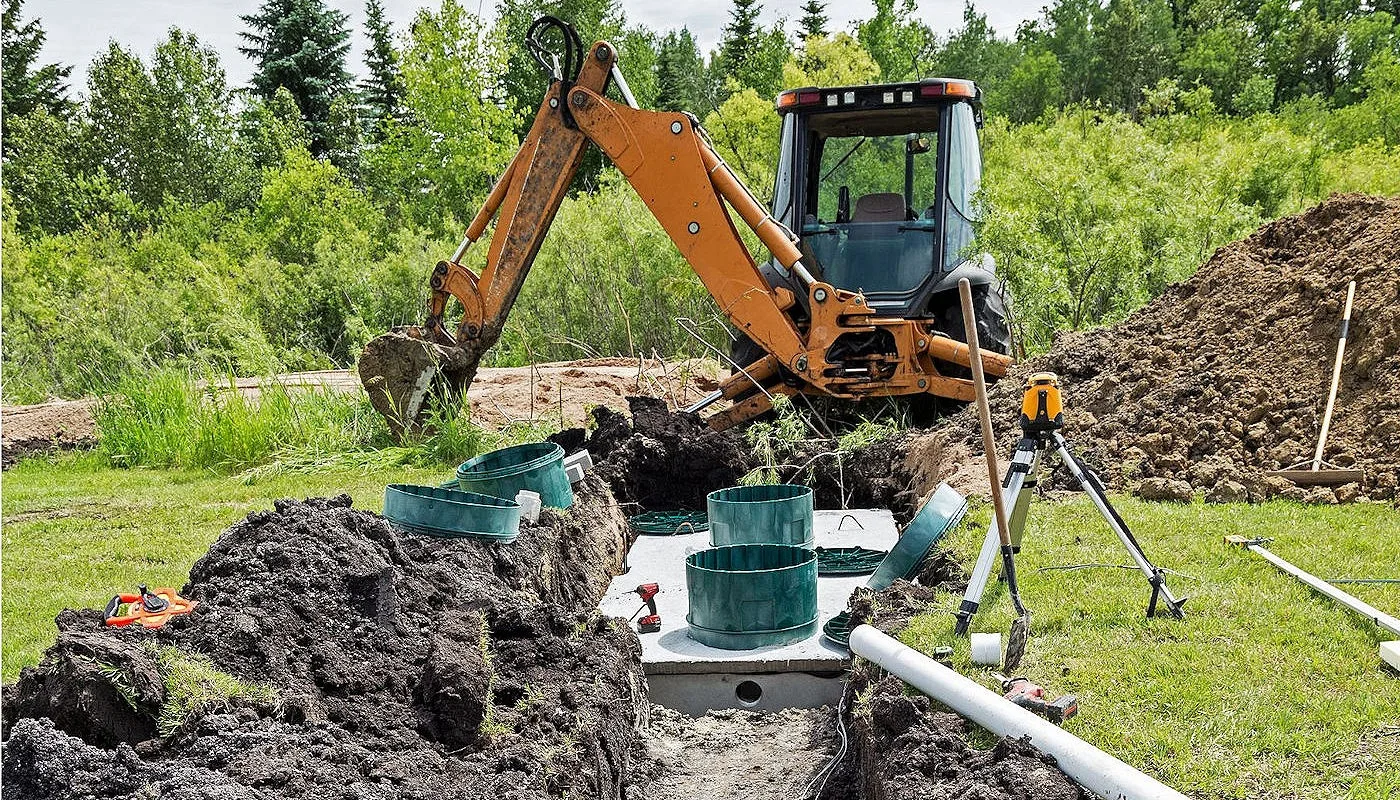
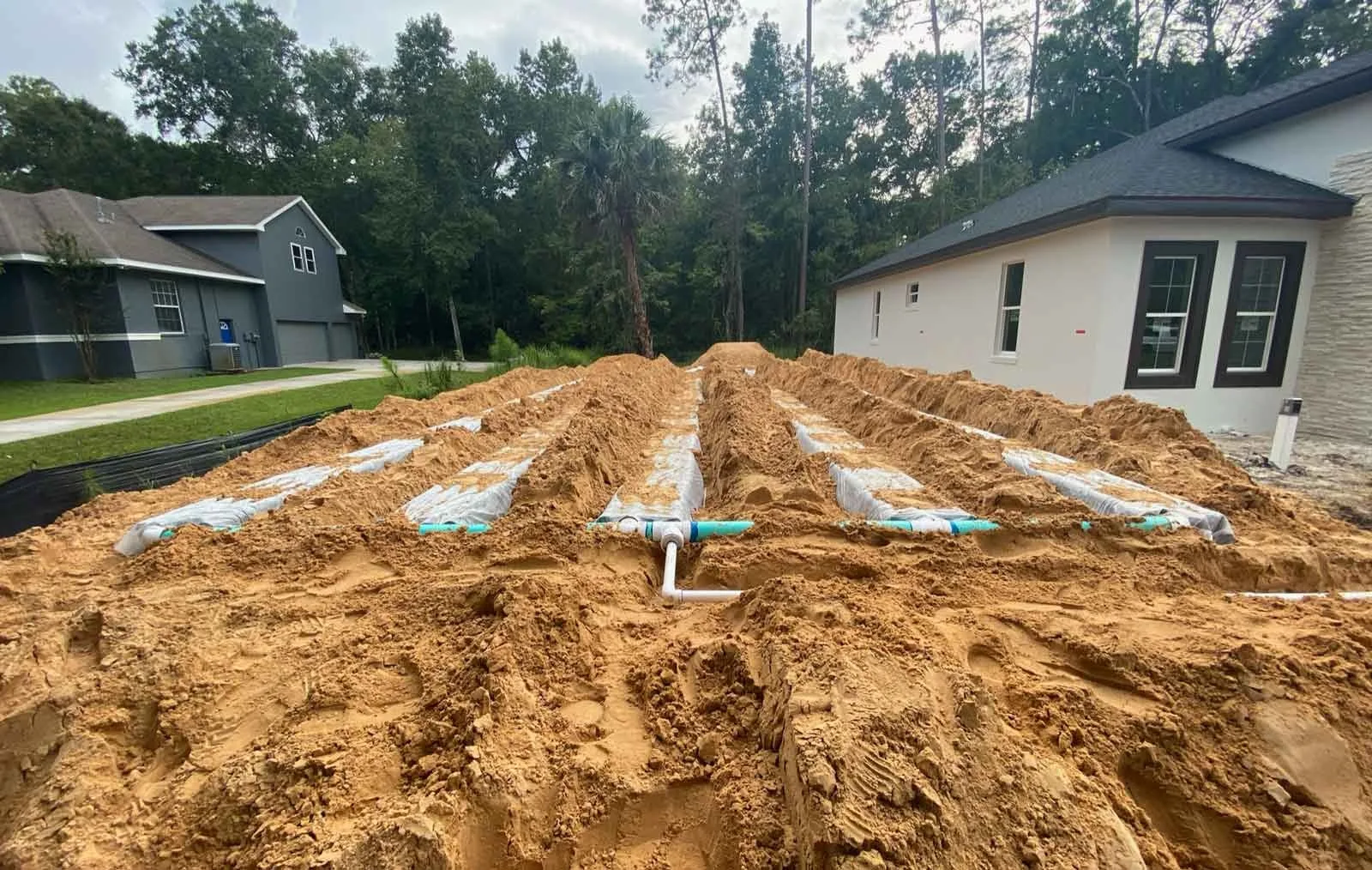
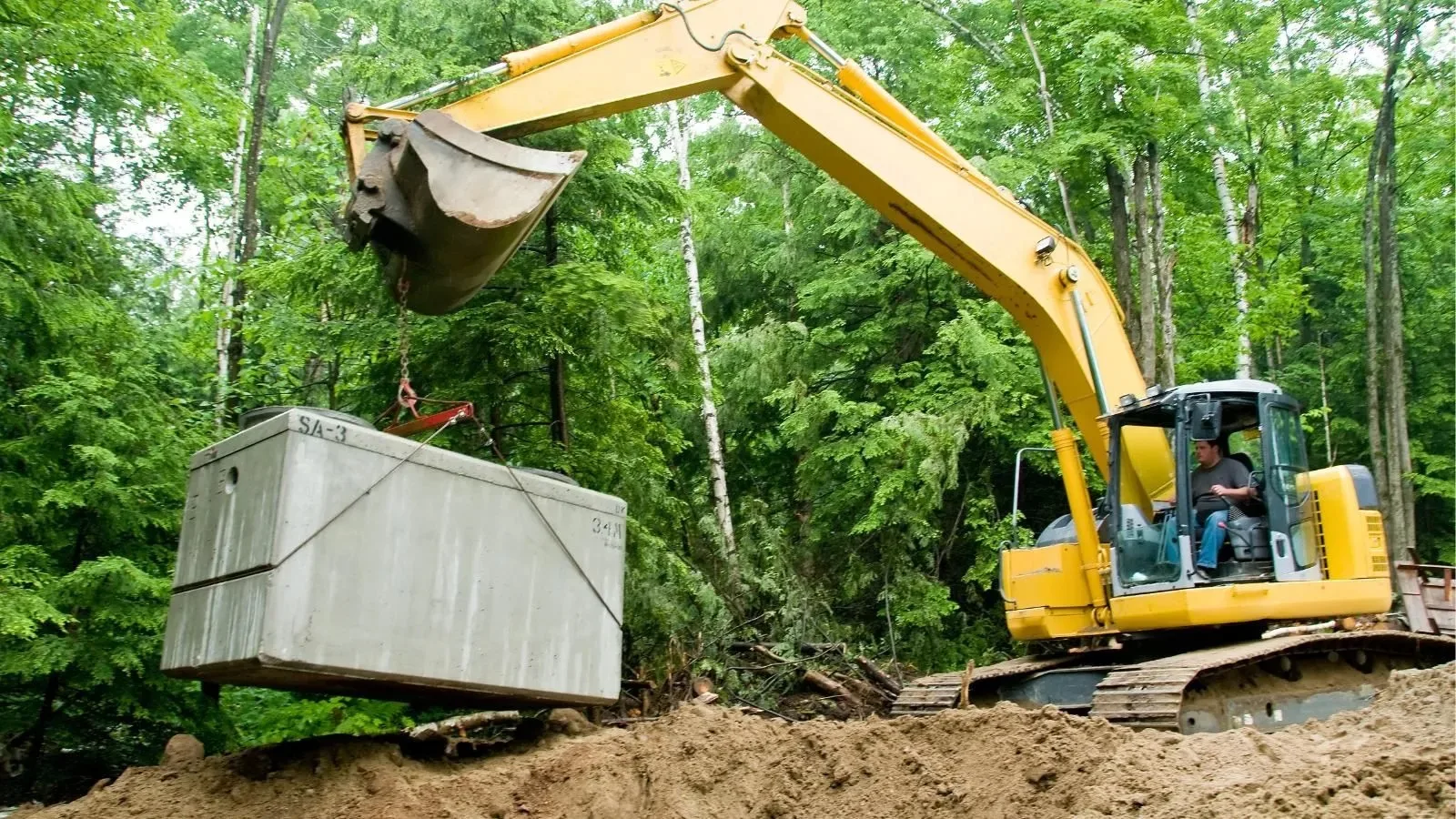
Once the permit is in hand, our excavator opens the tank hole and the field line trenches. The tank gets set level and tied into the line running from the house. We lay the field lines at the depth and length the permit calls for. Rock and pipe go in behind them, and risers bring the lids up for access.
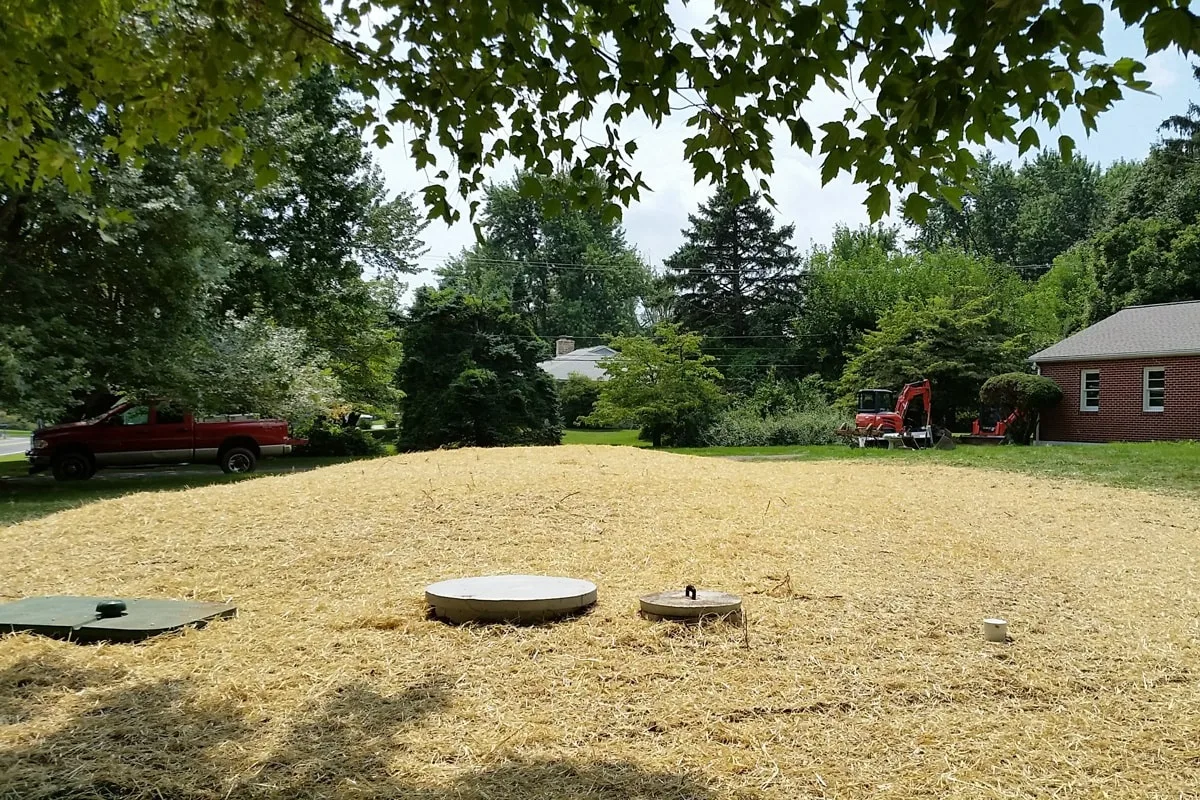
The county health department comes out to look at the finished system before the trenches are covered. Check with your county on how they schedule that visit. After it clears, we backfill the trenches and clean up behind the machines. New construction septic work gets planned around the builder, so the dig lands when the house is ready.
Every lot is different, so we quote septic tank installation by the job. Soil is the biggest piece of it. Ground that drains slowly needs more field line, or an engineered system with a pump. Soil that takes water well usually allows a simpler conventional system, and the test results point the way.
Size drives the rest of it. Tank and field sizing are tied to the house, and the county health department sets those requirements. A bigger house needs more tank capacity and more field line than a small one. A house with a garbage disposal and heavy water use adds load as well.
The site itself moves the number too. Rock close to the surface slows the dig and can force a change to the layout. A long run from the house to the tank means more pipe and more trench. Steep ground, tight access, a high water table, and long driveways all add work.
A replacement job carries work beyond what a new install needs. The old tank gets pumped, then removed or filled in, and the failed field lines come out. Driveways, wells, big trees, and buried lines limit where our equipment can work. We look at the whole site and give you a free estimate, so call (256) 453-9003 to set that up.
Septic systems fail for a few common reasons, and age is usually one of them. Solids work into the field lines over the years and clog the gravel. Tanks crack, lids break, baffles rot out, and inlet lines come apart. Wet spots over the field, slow drains, gurgling, and yard odor are the first signs people notice.
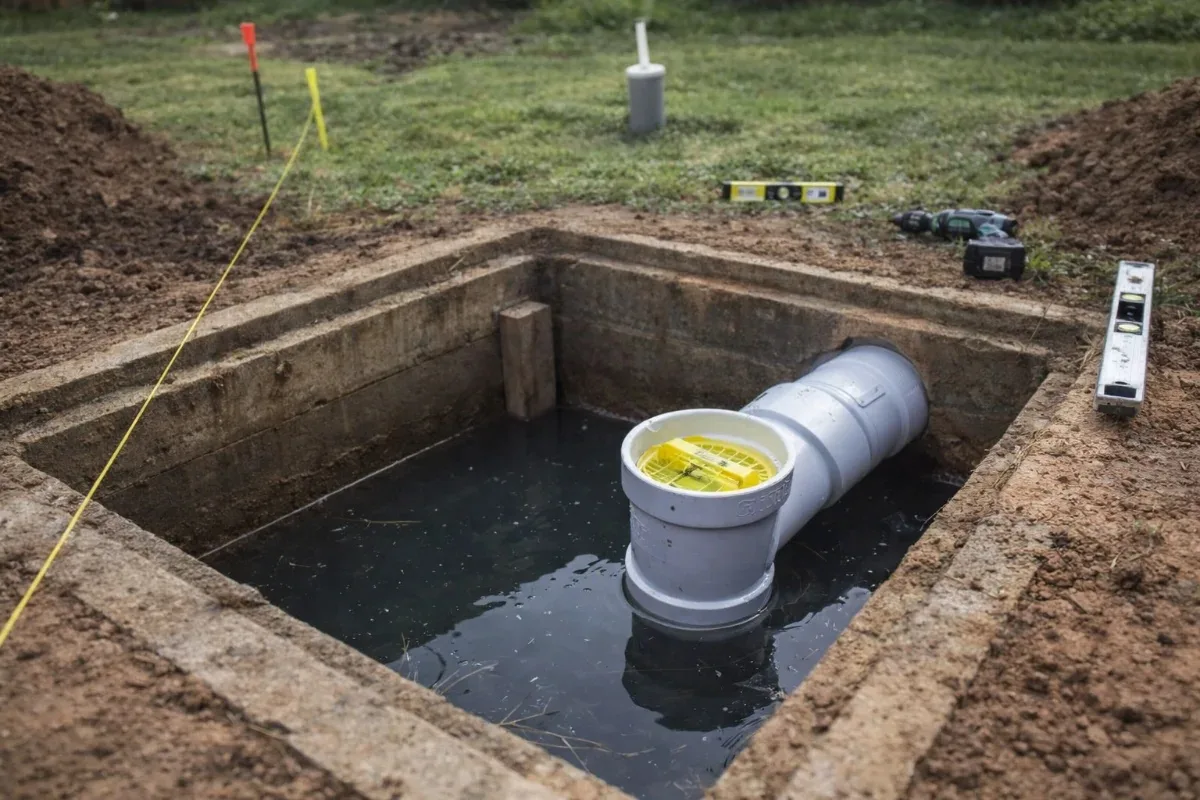
Many failures come down to one part. A broken lid, a cracked riser, a bad baffle, or an inlet line calls for septic tank repair. That work leaves the rest of the system in place and gets you running again. When the drain field is saturated and the ground stays soft, the whole system usually has to go.
Replacing a system on a lived in lot takes planning. We map where the new field can go, since the old one is spent and the setbacks still apply. The house has to stay usable, so we keep the downtime as short as we can. Owning our equipment and running three crews means we control that timing.
Piedmont is our base, and our runs cover Calhoun County and the counties around it. Northwest Georgia is part of the normal week. We handle new construction septic and full septic system replacement on both sides of the line. Call (256) 453-9003 for a free estimate on your lot.
Free, no-obligation estimates across Northeast Alabama and Northwest Georgia.
(256) 453-9003Call for a free, no-obligation estimate. We look at the site in person and price the whole job.
From the first phone call to the final grade, here is exactly how it goes.
Tell us what the system is doing, or what the new build needs. We answer questions on the phone and set a time to come out.
We look at the tank, the field, the soil, and the access. Then you get one price for the whole job before any work starts.
We file the septic permit with the county health office where the job needs one, then dig, set, and plumb the work to what the permit calls for.
The inspector signs off before anything is covered. We backfill, grade the ground smooth, and leave the yard ready to seed.
From the first dig to the finished grade, the stages a septic system runs through.
Based in Piedmont, we cover Calhoun, Etowah, Talladega, and DeKalb counties in Alabama plus Floyd, Polk, and Chattooga counties in Northwest Georgia: the towns below and the country between them.
The questions Alabama and Georgia homeowners ask us most about putting in a septic system. If yours is not here, call and ask. The estimate and the answer are both free.

Septic system cost in Alabama: 2026 market ranges by bedroom count and system type, the state tank size rule, perc test and permit fees, and what moves the price.
Read more →
Alabama septic permit requirements explained: the county health department process, how a perc test works, what rate passes, lot size and setback rules, and who may install.
Read more →A new build that needs a septic system, a tank that is overdue for a pump out, or a drain field that will not dry up? Call or send the form and we will look at the job with you and price the whole thing. The estimate is free.
Tell us about your project and we will get right back to you.