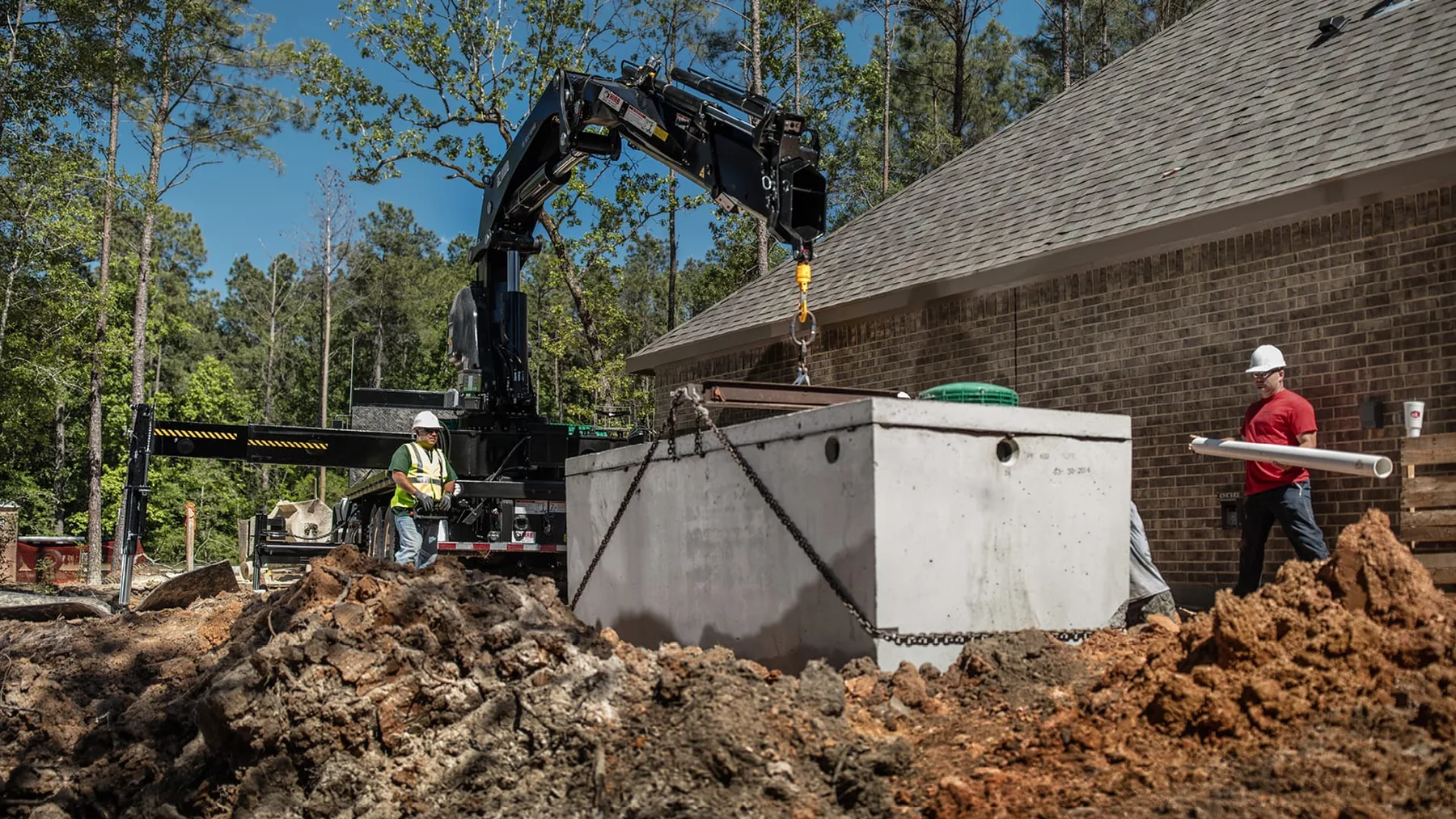
Septic system replacement is the job when a tank or a field is past repair. We run out of Piedmont, AL, and cover Northeast Alabama and Northwest Georgia. A concrete tank with walls eaten thin is finished. So is a steel tank rusted through at the top, or a field that has quit taking water. Alabama Cooperative Extension puts the life of a well kept septic system at 20 to 30 years. Most systems that need replacing are well past that mark.
The company holds the Alabama Level II (advanced) onsite wastewater installer license. That level covers engineered and large commercial onsite systems. We run three crews and own our excavation equipment. We dig out the old tank and set the new one ourselves. A sound tank with one broken part is a job for septic tank repair instead. A bare lot with no system on it yet is new construction septic installation. Estimates are free, so call (256) 453-9003.
Tell us about your project and we will get right back to you.
A few things put a system on the replacement list. The tank shell has failed, so the walls or the lid will not hold. A steel tank has rusted through above the waterline. The drain field has sealed up, and new pipe in that same ground fails again. The health department has looked at a failure and called for the system to be fixed or replaced. An addition can do it too, because more bedrooms send more water than the old system was sized for.
Alabama draws the line in rule 420-3-1-.32. If the flow and the waste strength have not changed, the work counts as a repair. ADPH adds one more line. When every part of the system has to go, the job is a replacement. It then follows the permit rules for a new system. A system moved to new ground is held to the same standards as a new one. When the tank is sound and only the trenches are spent, the job may still be drain field repair.
In Alabama the county health department runs the onsite sewage program under ADPH. A replacement needs a Permit to Install (Repair) before the first cut. The rule treats a replacement as a new system. It takes the same plans and certifications a new build needs. A soil professional handles the site evaluation. Tank size comes off the bedroom count in Table 9 of the rule. The lot also has to hold the new field plus a full replacement field area. The county has 28 calendar days to issue the permit or say why it cannot.
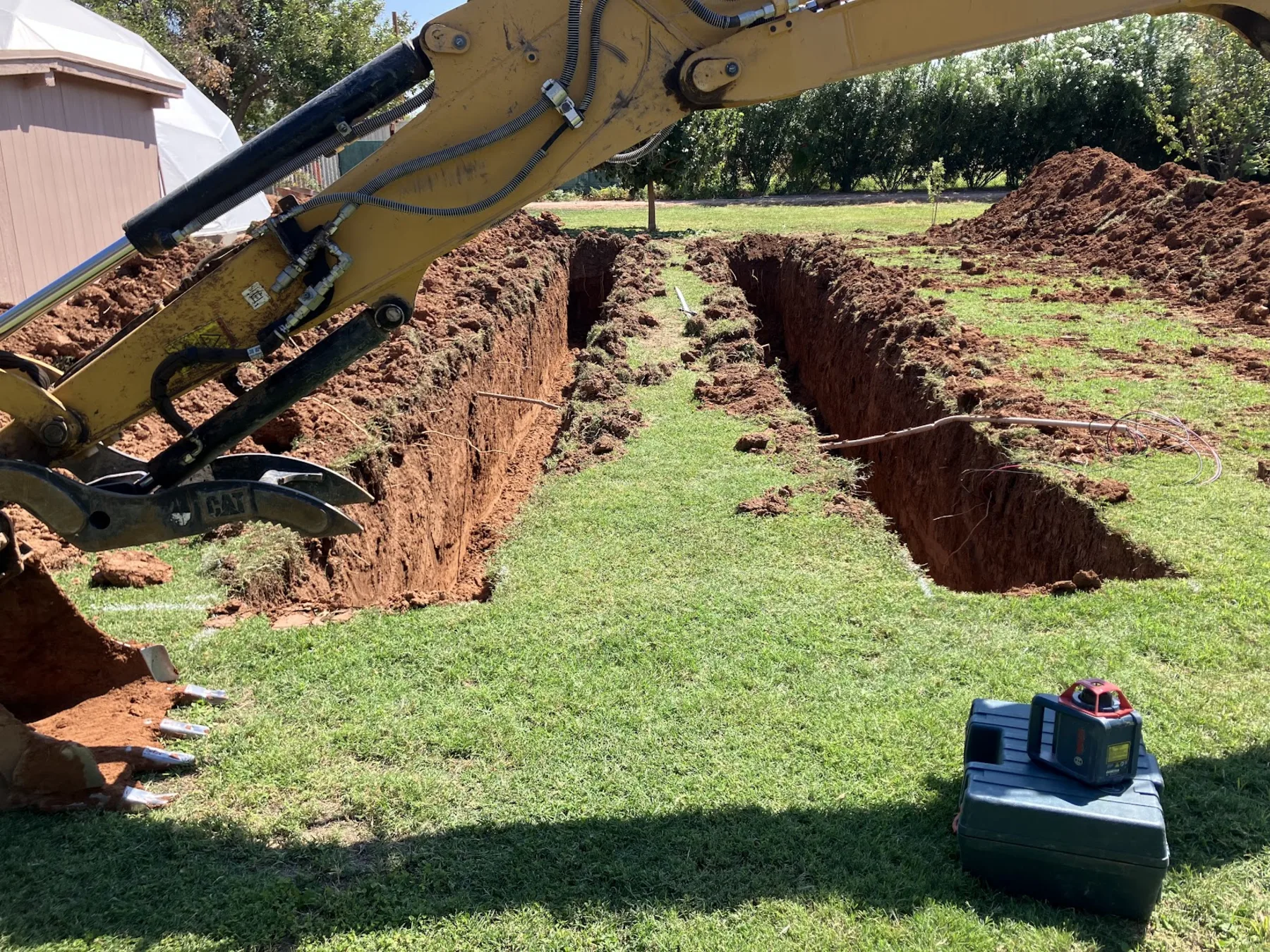
We locate and open the old tank first, and a licensed pumper empties it. The new tank goes where the permit puts it, and new field lines follow. The rule allows sound parts of the old system to be carried into the new one. The inspector signs off before anything is covered, then we backfill and grade the ground. In Georgia the county environmental health office handles the permit instead. When the soil will not take a gravity field, the replacement becomes an engineered septic system. We run replacement work out to Albertville and the towns around it.
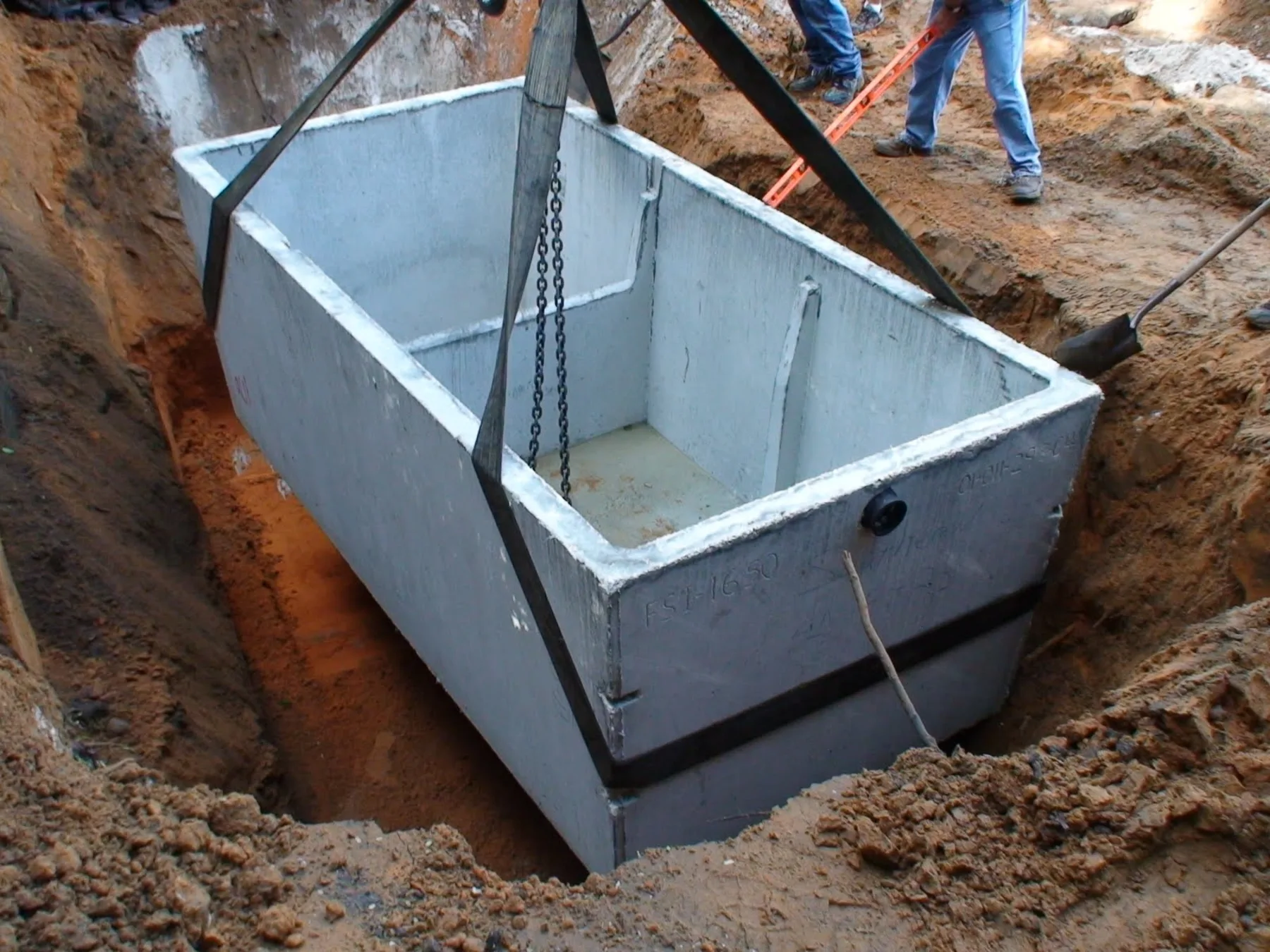
Alabama has a rule for the old tank, and it is short. Rule 420-3-1-.24 says a tank taken out of service has to be pumped out by a licensed pumper. After that the empty tank can come out of the ground. That is often what happens when the new tank needs that spot. A tank that stays in the ground has to be filled with sand or soil. The rule allows the bottom to be broken out. When nothing replaces the tank, the hole it leaves gets filled the same way.
On our jobs the old tank comes out with our own excavation equipment. A rusted steel tank is not swapped for another metal one. Alabama does not allow metal tanks, drums, barrels or pipes to be used as sewage tanks. The new tank is concrete built to the ASTM standard, or an approved non-concrete tank. Pumping the old tank, taking it out or filling it, and closing the ground are part of the job. We price all of it at the start.
Two things set the size of the job. The first is how much of the system gets replaced. A new tank on a field that still works sits at the small end. A new tank with a full set of field lines sits at the other end. The second is the ground itself. Tank size follows the bedroom count, so a four bedroom house needs more tank than a two bedroom. Soil group sets how much trench the field needs, and tight clay needs more of it than open ground.
Access and depth move the number too. Rock close to the surface on the ridges slows the digging. A deep tank or a long run from the house adds hours. So does a tight lot the machine has to work around. Permit fees and the soil work are their own lines on the quote. Pump systems and engineered designs run above a plain gravity system, because there is more in them. We put a number on the job after we see the lot and the old system. Call (256) 453-9003 or ask for a free estimate.
Free, no-obligation estimates across Northeast Alabama and Northwest Georgia.
(256) 453-9003From the first phone call to the final grade, here is exactly how it goes.
Tell us what the system is doing, or what the new build needs. We answer questions on the phone and set a time to come out.
We look at the tank, the field, the soil, and the access. Then you get one price for the whole job before any work starts.
We file the septic permit with the county health office where the job needs one, then dig, set, and plumb the work to what the permit calls for.
The inspector signs off before anything is covered. We backfill, grade the ground smooth, and leave the yard ready to seed.
Common questions about system replacement across Northeast Alabama and Northwest Georgia. Don't see yours? Give us a call and ask.
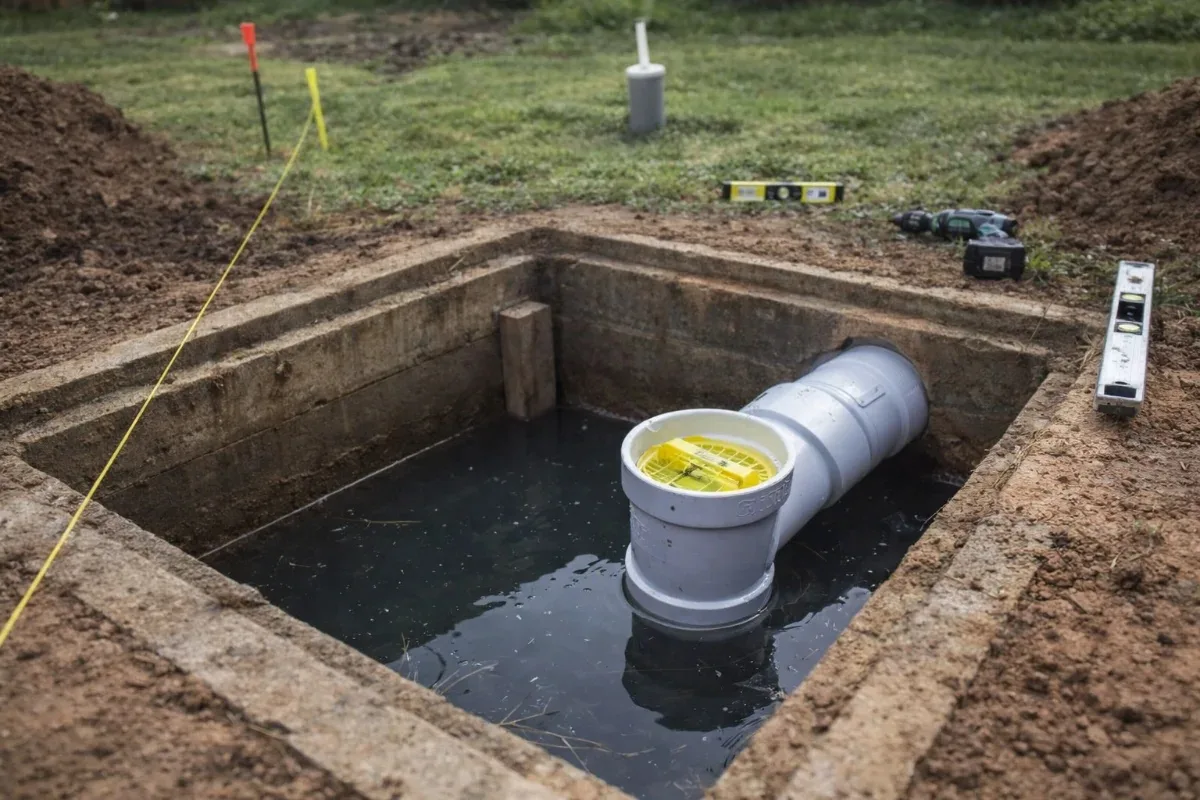
We repair septic tanks, lids, risers, baffles, and the lines running in and out of the tank. Estimates are free across Northeast Alabama and Northwest Georgia.
View Details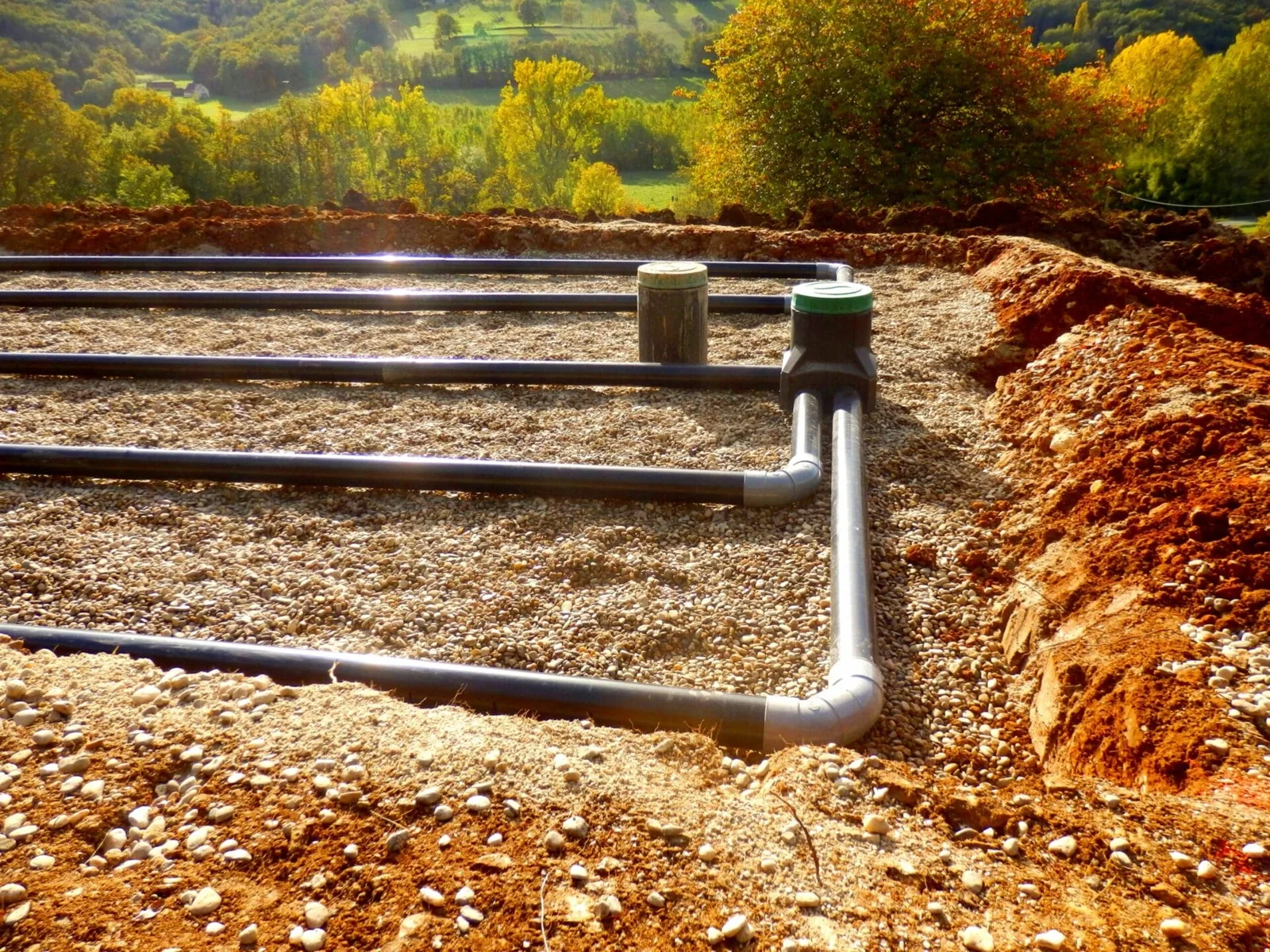
Drain field repair puts the buried field lines back to work when your yard stays wet. We repair and replace field lines across Northeast Alabama and Northwest Georgia.
View Details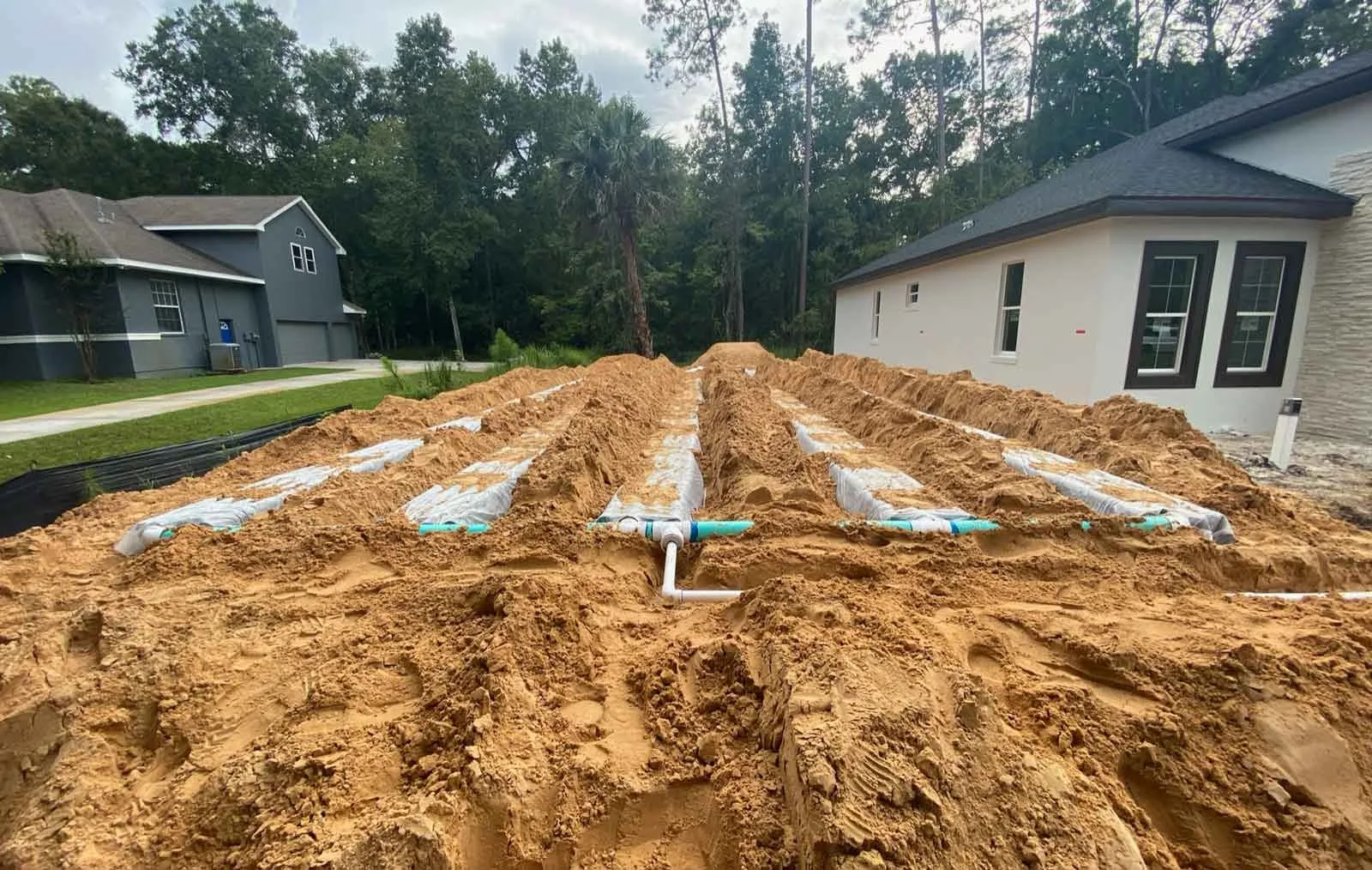
Some lots cannot take a standard gravity system. We install engineered and alternative septic systems built to an engineer's design, including pump and dosing systems.
View DetailsJim Westbrook has put in septic systems his whole working life. He has dug through the clay, chert, and shallow rock that sit under Northeast Alabama, and that reading of the ground shapes every system we build.
Jim holds an Alabama Level II installer license, the advanced level. That covers conventional gravity systems, engineered systems for lots that fail a perc test, and large commercial jobs like schools.
Septic permits run through the county health department in Alabama and the county environmental health office in Georgia. We file the right paperwork in the right office and never cover a system before the inspector signs off.
Three crews and our own excavation equipment mean your job gets scheduled and finished. Tank, field lines, pumps, and the drainage that protects them all come from the same company.
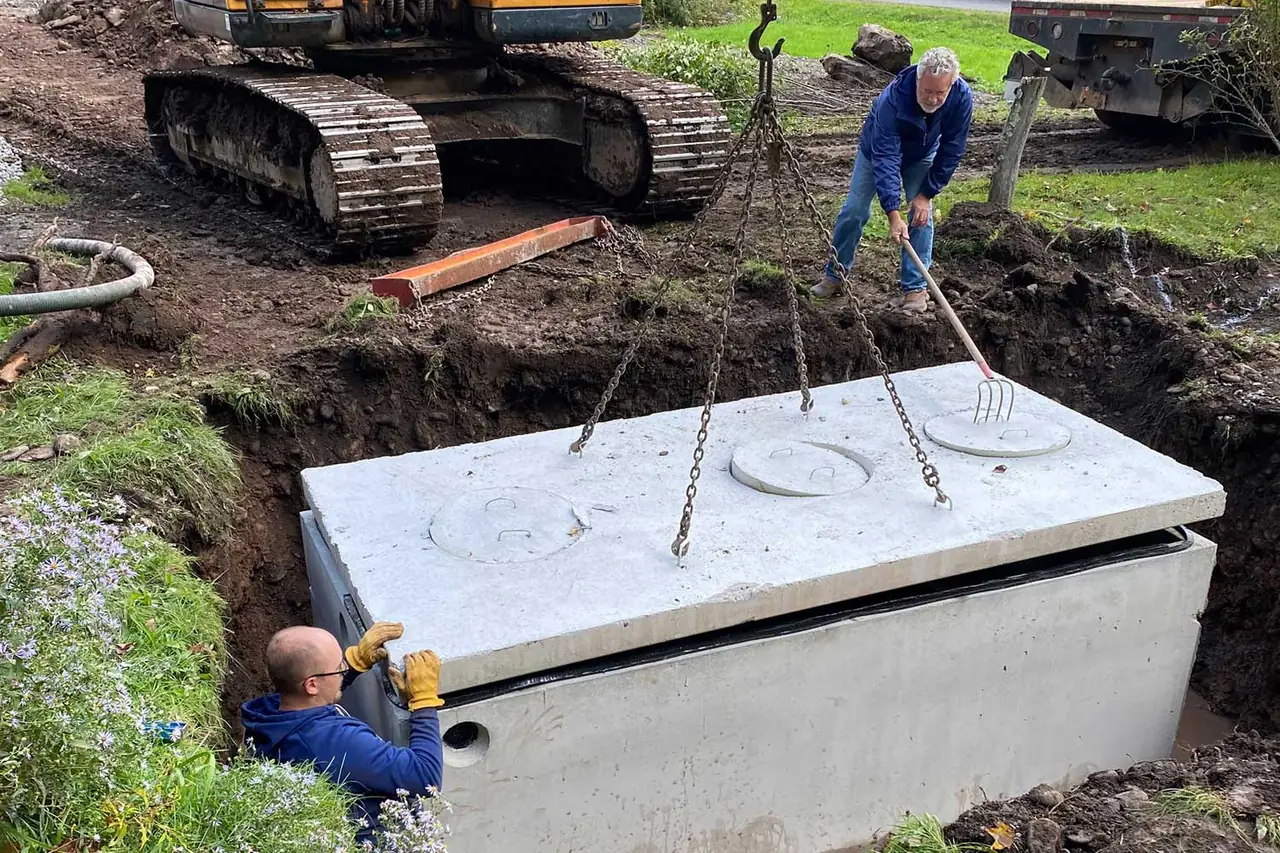
Septic tank replacement cost in Alabama: 2026 market ranges for a new tank or a whole system, the rules a replacement must meet, and what moves the price.
Read more →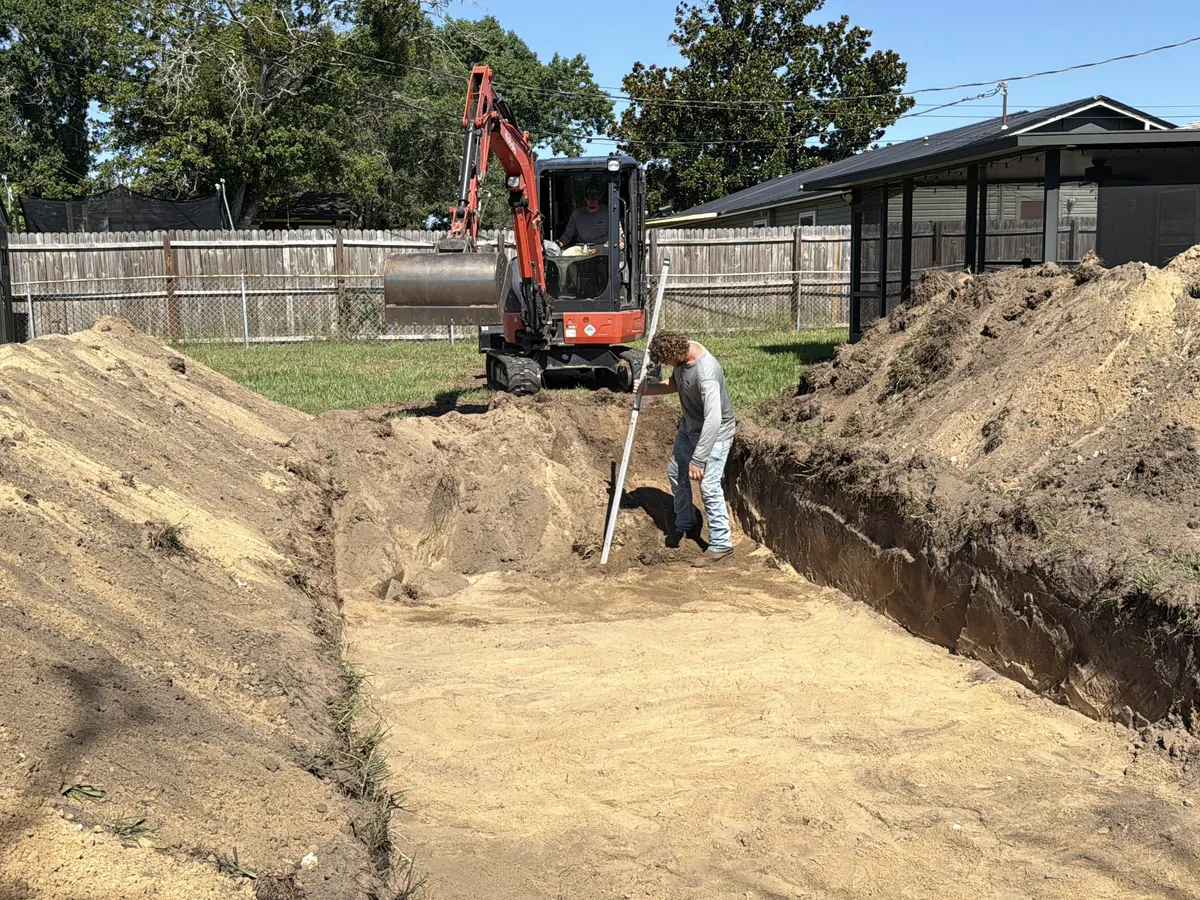
Drain field replacement cost in Alabama: 2026 market ranges for field line repair and full replacement, the state's repair rules, and what moves the price.
Read more →
Septic tank inspection cost in Alabama: 2026 market ranges by inspection type, the add-on fees that raise the bill, how often to inspect, and home sale costs.
Read more →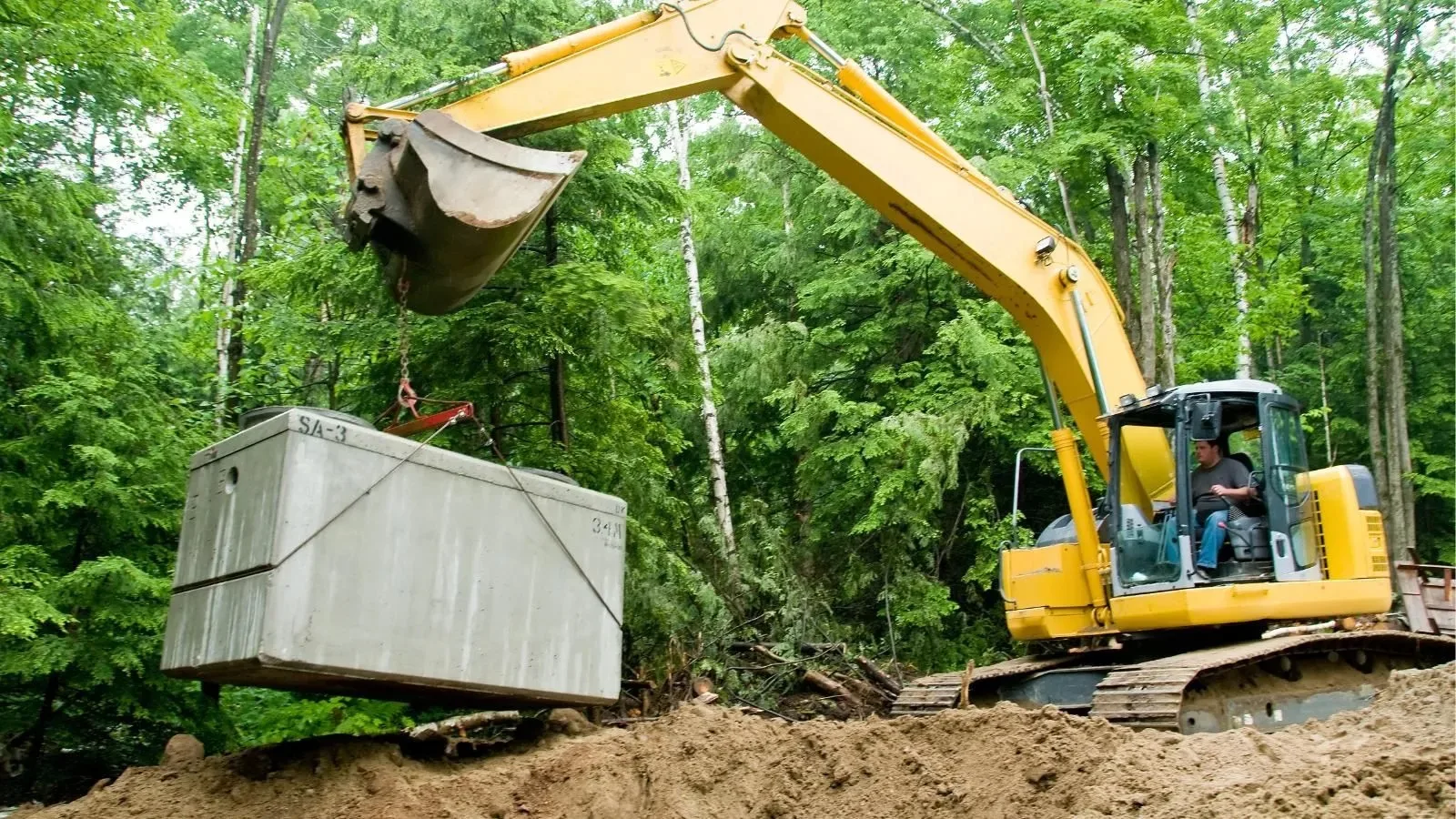
Septic system cost in Alabama: 2026 market ranges by bedroom count and system type, the state tank size rule, perc test and permit fees, and what moves the price.
Read more →Septic tank repair or replacement: what Alabama's rules call a repair, which failures mean a new tank or field, 2026 cost ranges for both, and the insurance reality.
Read more →A new build that needs a septic system, a tank that is overdue for a pump out, or a drain field that will not dry up? Call or send the form and we will look at the job with you and price the whole thing. The estimate is free.
Tell us about your project and we will get right back to you.