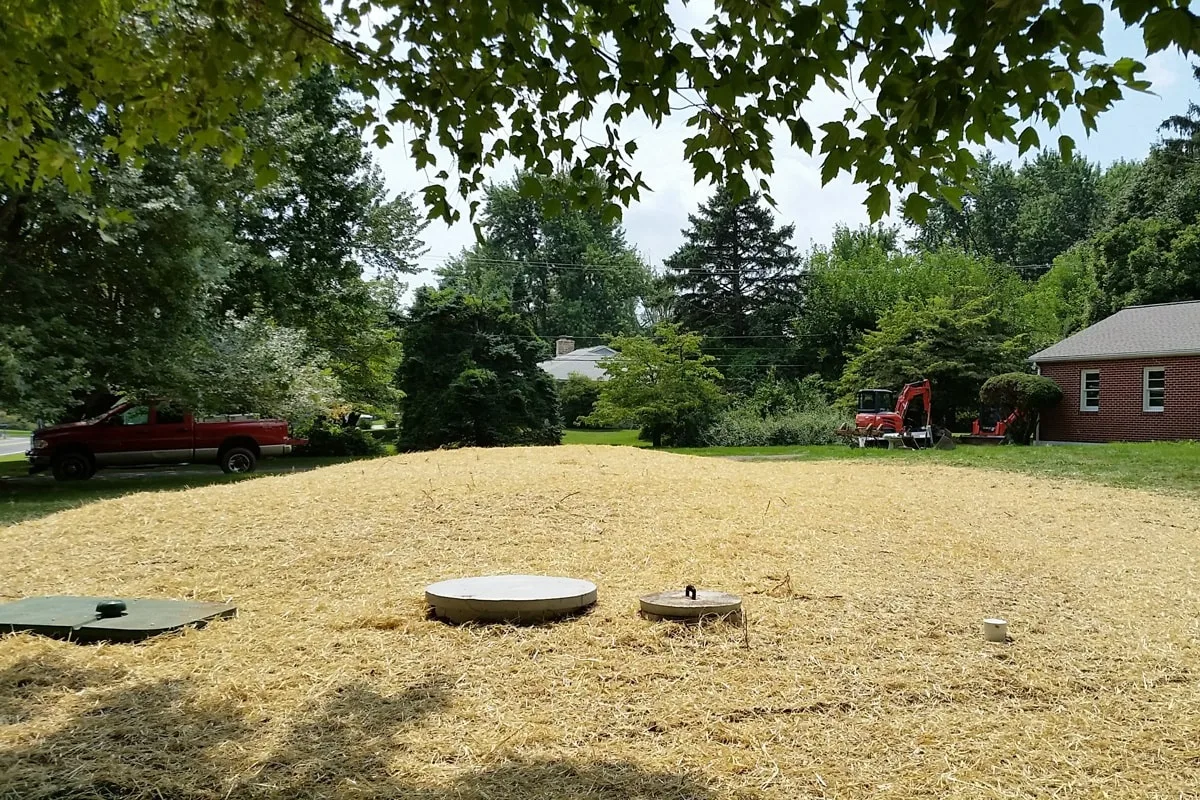
Our Services
Septic tank maintenance is the routine care that keeps a system working year after year. We work out of Piedmont, Alabama, and cover Northeast Alabama and Northwest Georgia. Most septic trouble builds slowly, and the early signs are easy to miss. The tank fills with sludge, the outlet clogs, and the field lines take the damage.
Jim Westbrook has installed septic systems his whole working life. He holds an Alabama Level II (advanced) onsite wastewater installer license. Three crews and our own excavation equipment let us fix what a maintenance visit turns up. Most calls start with routine tank pump outs and a close look at the outlet side.
Tell us about your project and we will get right back to you.
A septic tank does its work by letting the waste settle out into layers. Solids sink to the bottom of the buried tank and turn into a sludge layer. Grease and soap scum float up and form a crust on top. The clearer water in the middle leaves through the outlet and feeds the drain field.
A maintenance visit starts with locating the tank and opening the lids. We measure how deep the sludge and scum layers have grown since the last visit. Then the tank gets pumped down and the walls get washed off with the hose. With the tank empty, the inlet and outlet baffles are easy to look over.
Baffles are small parts that matter more than most homeowners expect. The inlet baffle slows the water coming in so the settled layers stay put. The outlet baffle holds the floating crust back while the clearer water leaves. A broken or missing outlet baffle sends grease straight out into the field lines.
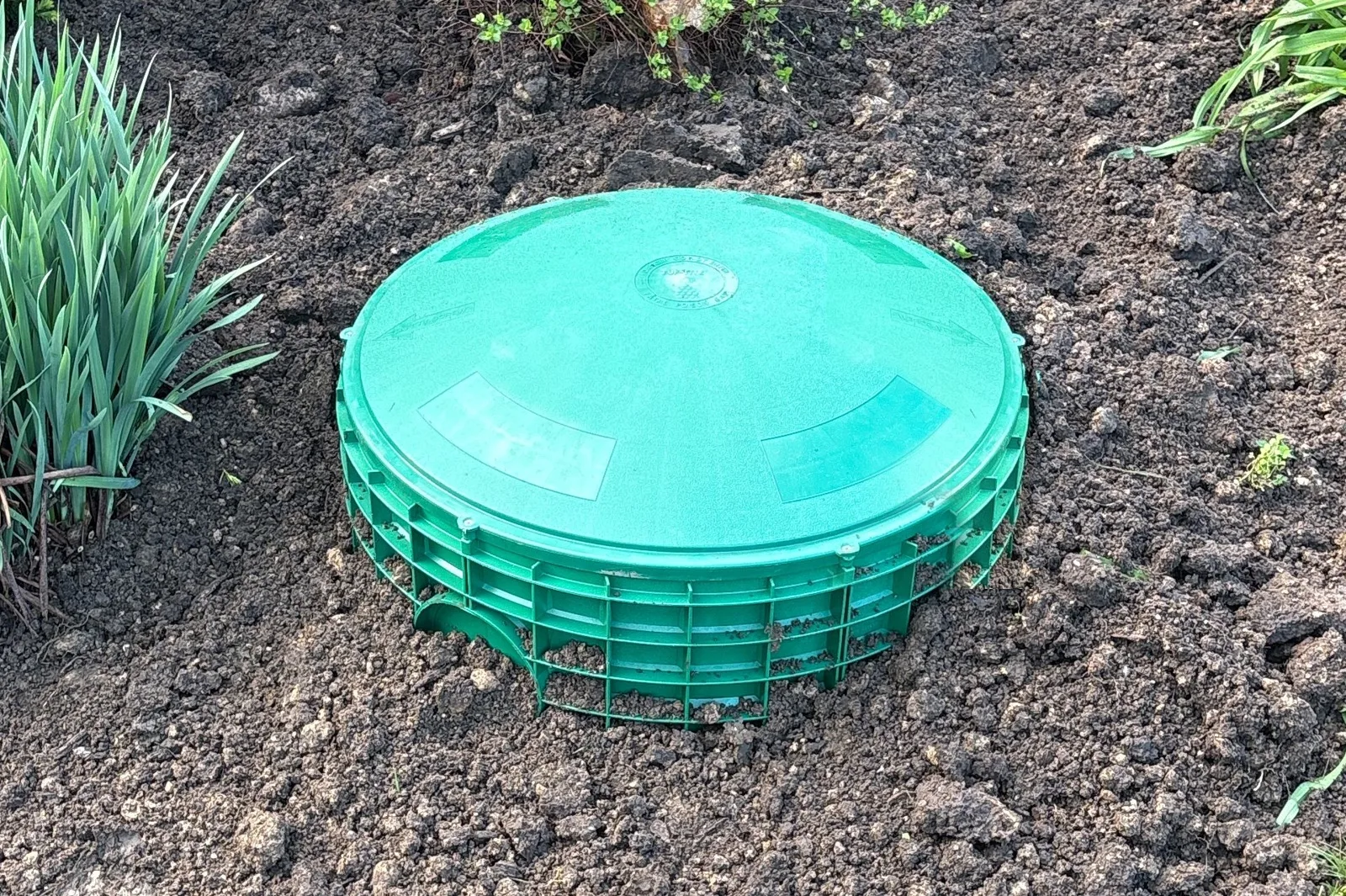
Filter and riser upkeep finishes the visit. Most newer tanks have an effluent filter at the outlet, and it comes out for a rinse. The Alabama Department of Public Health suggests adding a filter the next time an older tank is pumped. Risers bring the lids up to ground level, so the next visit needs no digging.
The EPA says household septic tanks are typically pumped every three to five years. It also calls for an inspection by a septic professional at least every three years. The state health department tells Alabama homeowners to have the tank inspected yearly and pumped on a regular schedule. Those intervals are a fair starting point for an average household.
Your own schedule depends on the tank and on the house sitting over it. A small tank serving six people fills much faster than a large tank serving two. A garbage disposal pushes extra solids into the tank every day. Rental houses with tenants coming and going usually need a shorter interval.
Keep a written record of every pump out and repair. It tells the next crew what was done and when. The county health department also holds the permit for your system, and it usually shows the tank size and location. Ask them for a copy if you have never seen the paperwork.
Water habits between visits change how fast the tank loads up. Spreading laundry across the week keeps a flood of water from pushing solids out early. A running toilet sends water through the system day and night. Fixing leaks quickly gives the tank the quiet time it needs to settle solids.
Good septic tank care is mostly about keeping solids where they belong. When a tank runs years past due, the sludge layer climbs up toward the outlet. Solids then wash out into the field lines and pack into the gravel and soil. Soil that is packed with solids stops taking water, and that damage stays.
The signs show up in the house and in the yard. Drains slow down, and the ground over the field lines stays soft or starts to smell. At that stage the job becomes field line repair or replacement rather than another pump out. A new field is a far bigger job than keeping the tank on schedule.
The drain field also needs protection the rest of the year. Keep trucks and heavy equipment off it, because packed soil cannot take water. Send roof runoff and sump pump water away from the field instead of onto it. Tree roots hunt for water in field lines, so keep new trees well back.
We run maintenance work out of Piedmont across Northeast Alabama and Northwest Georgia. That takes our crews out to Attalla and the other towns along the Coosa River valley. When a system is too far gone to keep patching, the same crews handle installing a new septic system. Call (256) 453-9003 for a free estimate.
Free, no-obligation estimates across Northeast Alabama and Northwest Georgia.
(256) 453-9003From the first phone call to the final grade, here is exactly how it goes.
Tell us what the system is doing, or what the new build needs. We answer questions on the phone and set a time to come out.
We look at the tank, the field, the soil, and the access. Then you get one price for the whole job before any work starts.
We file the septic permit with the county health office where the job needs one, then dig, set, and plumb the work to what the permit calls for.
The inspector signs off before anything is covered. We backfill, grade the ground smooth, and leave the yard ready to seed.
Common questions about maintenance across Northeast Alabama and Northwest Georgia. Don't see yours? Give us a call and ask.
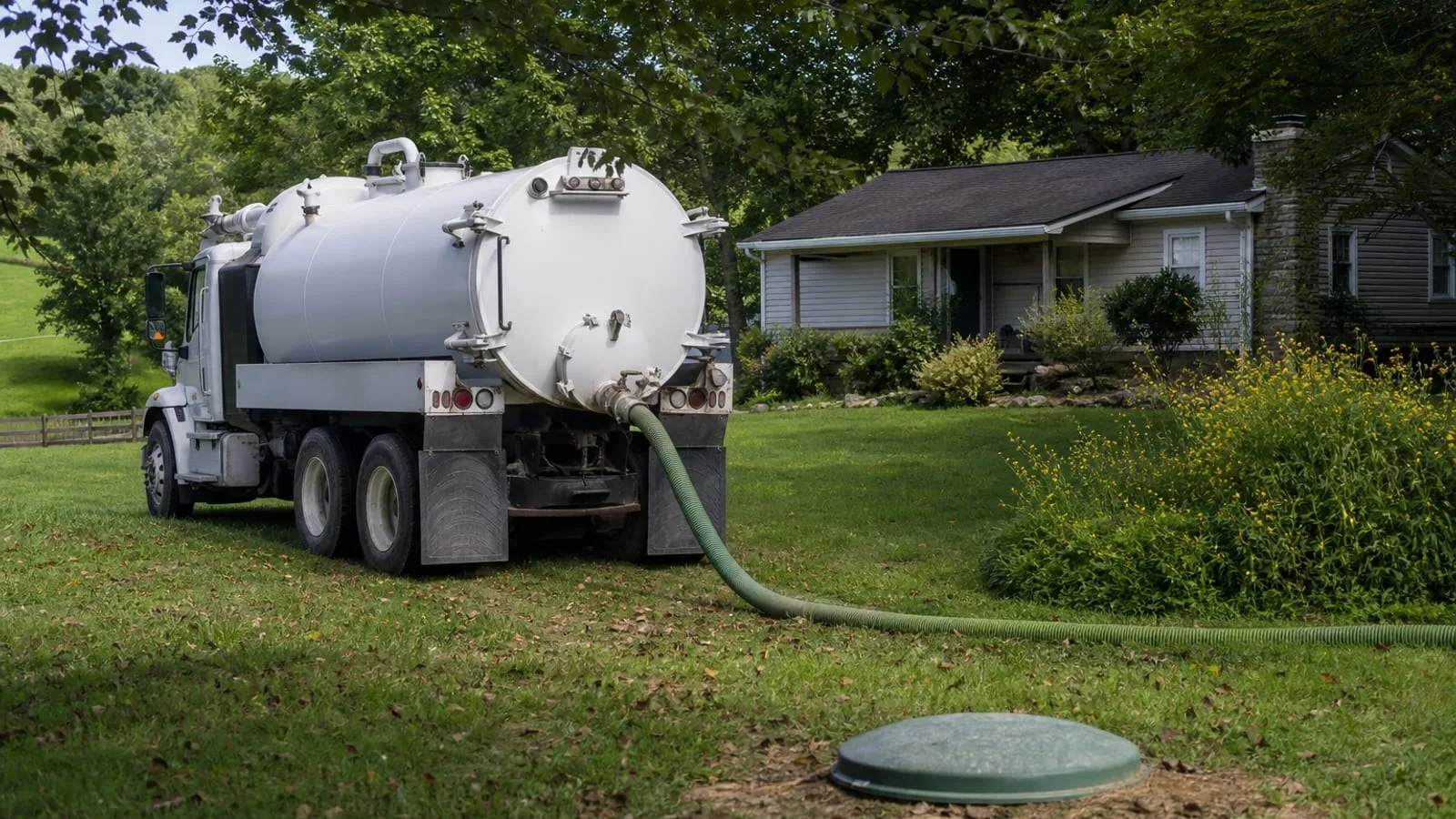
We pump and clean septic tanks on a routine schedule, through the main lid so the whole tank empties. Estimates are free, and we cover Northeast Alabama and Northwest Georgia.
View Details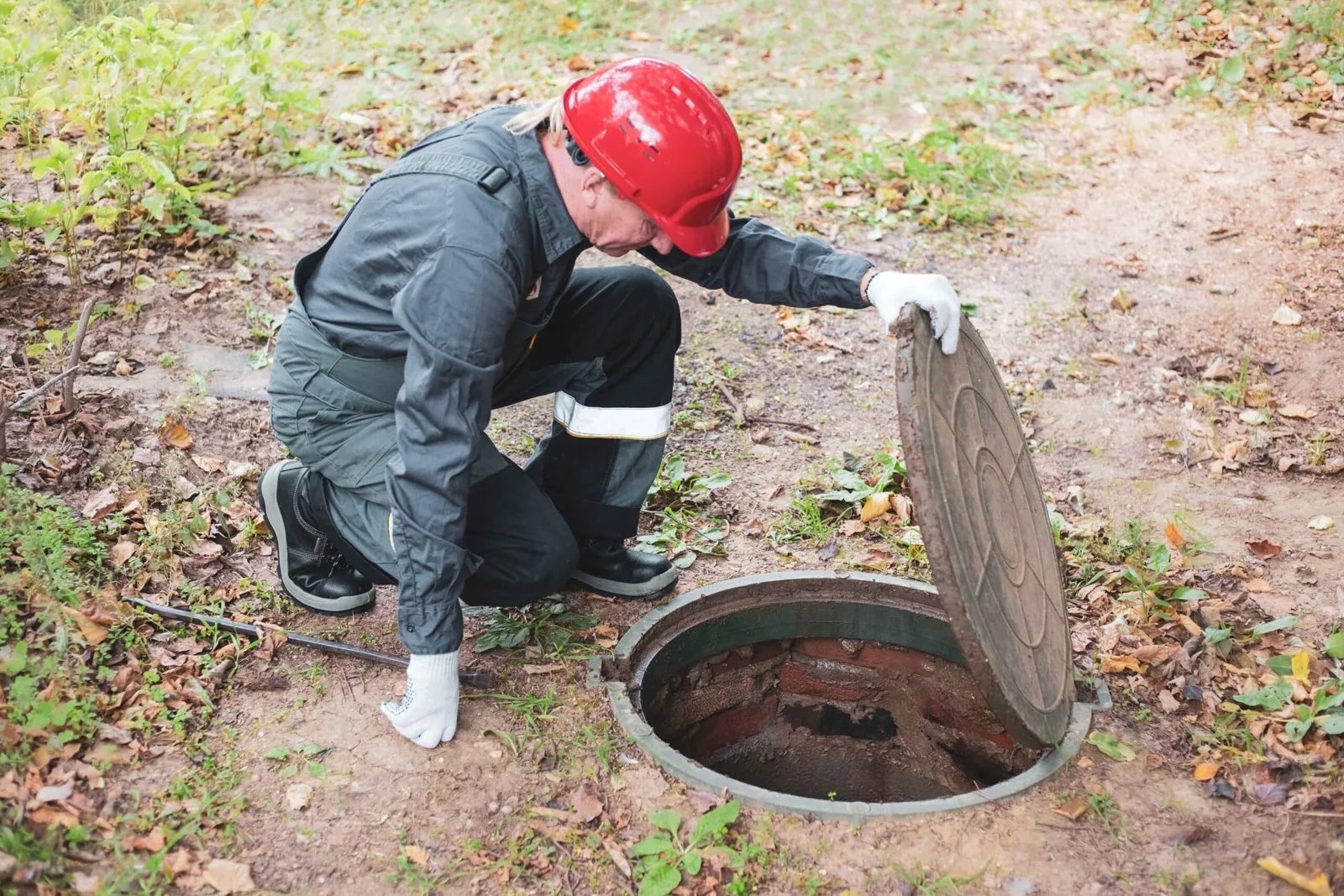
We inspect septic tanks and drain fields, then put what we find in writing. We also handle perc tests and soil tests for new lots across Northeast Alabama and Northwest Georgia.
View Details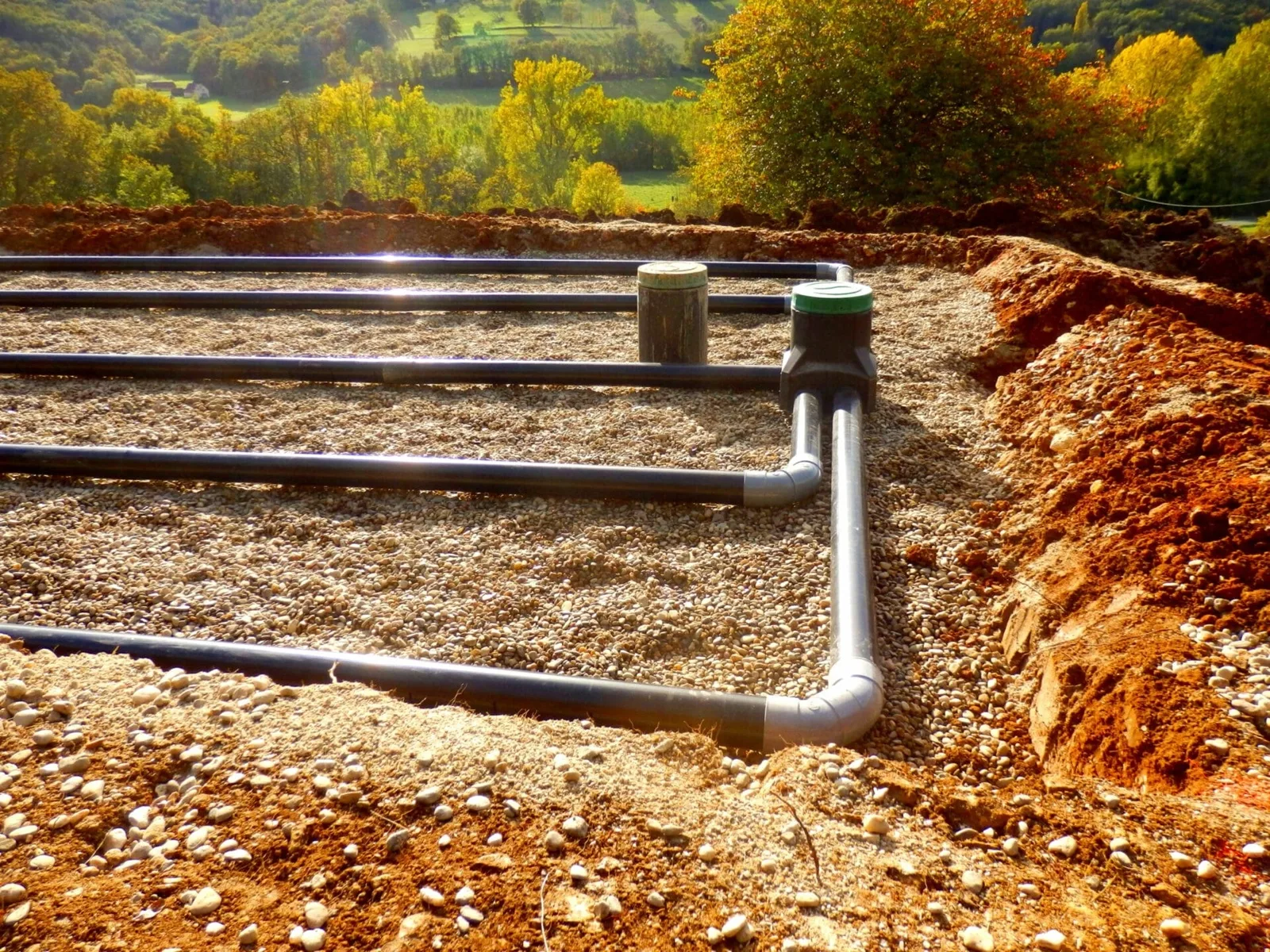
Drain field repair puts the buried field lines back to work when your yard stays wet. We repair and replace field lines across Northeast Alabama and Northwest Georgia.
View DetailsJim Westbrook has put in septic systems his whole working life. He has dug through the clay, chert, and shallow rock that sit under Northeast Alabama, and that reading of the ground shapes every system we build.
Jim holds an Alabama Level II installer license, the advanced level. That covers conventional gravity systems, engineered systems for lots that fail a perc test, and large commercial jobs like schools.
Septic permits run through the county health department in Alabama and the county environmental health office in Georgia. We file the right paperwork in the right office and never cover a system before the inspector signs off.
Three crews and our own excavation equipment mean your job gets scheduled and finished. Tank, field lines, pumps, and the drainage that protects them all come from the same company.
A new build that needs a septic system, a tank that is overdue for a pump out, or a drain field that will not dry up? Call or send the form and we will look at the job with you and price the whole thing. The estimate is free.
Tell us about your project and we will get right back to you.